Tokyo, Japan's capital home to over 9 million people is both a very modern city mixed with tradition and history. One can find anything to do to their heart's desire, enjoy luxurious shopping in Ginza, or be a part of the kawaii youth culture in Harajuku. Or why not spend a day wandering around the shitamachi, immersing yourself in the historical Edo atmosphere in Asakusa. Tokyo has so much to offer and to see that it will certainly never be boring here.
We've made a list of 50 places in Tokyo to inspire you to explore the city that never sleeps. Enjoy!
Asakusa is visited by more than half of all tourists from foreign countries. You’ll be able to see the Sensoji Temple which is Tokyo’s oldest temple, and also the outer gate called the Kaminarimon (Thunder Gate). The street leading from the gate to the inner precinct of the temple is lined with old shops. Many of them offer services in English.
Meiji Shrine is located in the Shibuya district of Tokyo. A large number of visitors from all over Japan come for “hatsumode” or the first shrine visit of the New Year. On the day of your visit, you can catch a glimpse of a traditional wedding ceremony if you’re lucky.
Akihabara is always crowded with tourists from all over the world. It’s famous as the center of the “anime” and the “manga” culture. It’s also popular as a sightseeing spot because of the many stores offering electronics made in Japan.
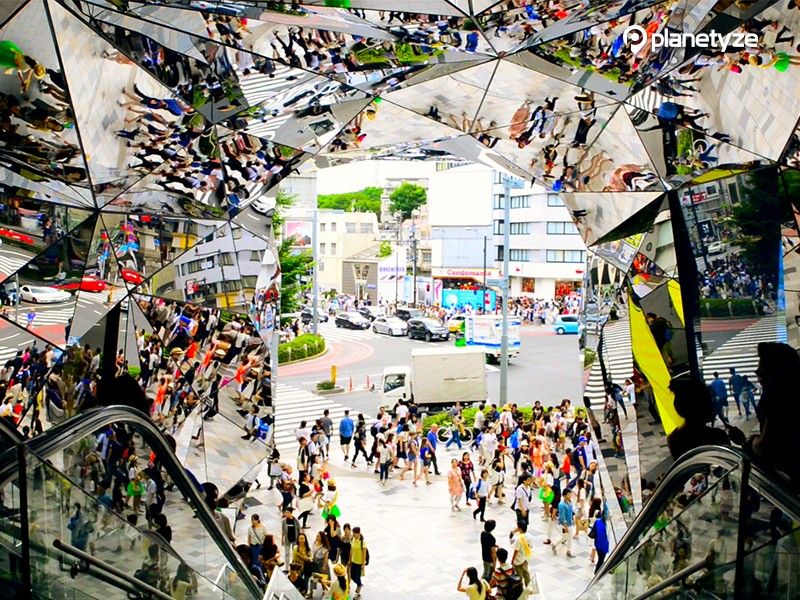
Recently, tourists to Japan add Takeshita Street in Harajuku as the place they want to visit most list. Harajuku continues to be the center of the “kawaii“ or cute subculture and its distinct fashion.
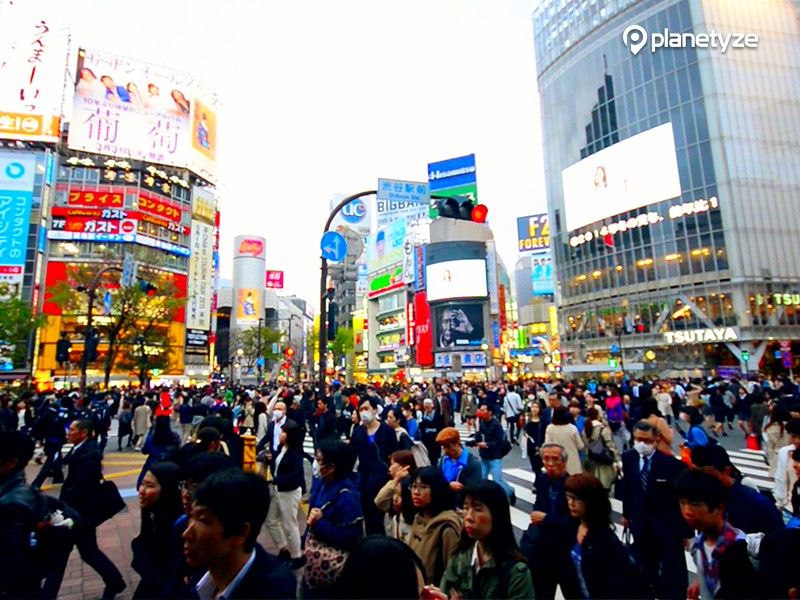
The famous intersection in Shibuya is the busiest in the world. Everyday, about 500,000 people cross this intersection. Besides shopping and the cuisine, you can also enjoy the unique atmosphere of the neighborhood.
3 million people visit Tokyo Tower annually. More than half of Tokyo Tower’s revenue is because of its popularity as a tourist spot. It is a sightseeing spot which tourists find irresistable.
Golden Gai in Shinjuku, which is situated in the middle of a commercial district, has recently become very popular with foreign tourists. You can experience the atmosphere of the Showa Period in Japan, like a trip back in time.
Ueno Park is a park full of culture and art. Popular art presentations and other famous exhibitions are held here. You enjoy the turning of the seasons with the cherry blossoms and the autumn foliage. And you can also tour some important historical buildings.
The Imperial Palace was once called the Edo Castle. It has been the residence of the Emperor since the Meiji Era. It is located in central Tokyo, but there is a tranquility within the palace grounds.
In 2012, the Tokyo Skytree took the place of the Tokyo Tower, which had been Tokyo’s main radio tower since 1958. The Tokyo Skytree has received recognition by the Guinness Book of World Records because of its height. Tokyo Skytree is a radio tower, but it is also incredibly popular for the view from its observatory.
This is the world’s largest fish market. There are many stores where you can purchase fish, fruit and vegetables, groceries, and kitchen utensils. There are also restaurants where you can eat a variety of seafood from the market.
Ginza is one of Japan’s most sophisticated shopping districts. In this neighborhood of modern buildings, there are many luxury brand stores and restaurants.
The high-tech image of Tokyo disappears in Yanaka. The low buildings and narrow winding streets retains the atmosphere of the Showa Era. This is an area where you can take a leisurely stroll.
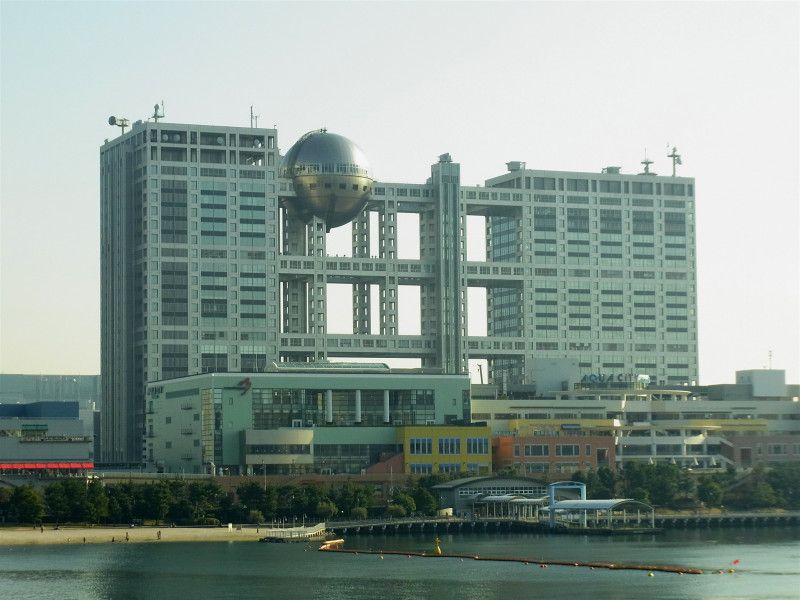
For a fun-filled time in Tokyo, try Odaiba. There’s an amusement park, a museum, an onsen, an automobile showroom, and other attractions. There is so much to do that it’s difficult to get around in 1 day. It is one large entertainment facility on a huge area of reclaimed land.
The word “gyoen” means a garden for the Imperial family. It’s only a 10 minute walk from JR Shinjuku Station (South Exit). So, this quiet and lush garden is loved by many people who go there to take a break from the city and relax.
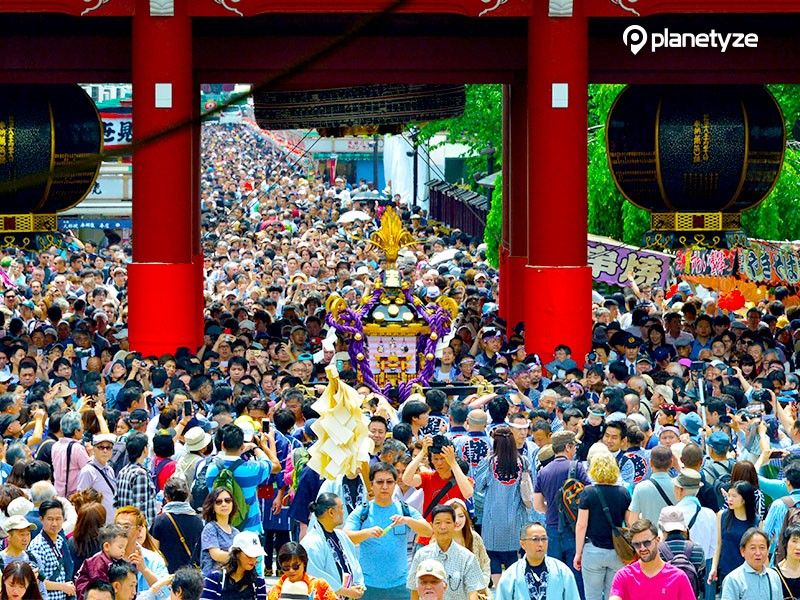
Sensoji Temple is Tokyo’s oldest temple. Surrounding the main temple is a 5-story pagoda, as well as various shops along Nakamise-dori street leading up to the temple. The famous Sanja Festival, which spreads its way through the temple grounds, and the Hozuki Festival are held annually at Sensoji Temple.
Ikebukuro is an area where young people gather. A huge number of people commute through Ikebukuro everyday using its 8 train lines. It is a neighborhood which is full of fashion stores and restaurants and also subcultures.
Roppongi had the image of a nighttime entertainment district for adults, but recently it has changed into a modern area. It has become a place to show Tokyo’s latest art in museums of art that have increased their number one by one.
Kagurazaka, with the stone-paved roads from long ago, still has the spirited atmosphere of the old entertainment quarter. But now it also interests many people as a gourmet town, rich in international flavor.
Shibuya is the neighborhood where fashion buildings are built in close distance and advertisements are shown on giant LCD screens. The main intersection has groups of 3000 people crossing simultaneously on the weekends.
Shinjuku is one of the most bustling districts in Tokyo. The view of Shinjuku has changed dramatically with the emergence of skyscrapers. Enjoy the dynamic night view at the free observatories of Shinjuku’s landmark, the Tokyo Government Building.
Golden Gai was a postwar black market and prostitution area, transformed into an area of bars and hangouts. Tiny shops are packed into the labyrinth of alleys. The dimly lit neon lights brings out a nostalgic atmosphere.
VenusFort is a shopping mall, with the looks of a theme park, that can be enjoyed by the whole family. Even foreign tourists can enjoy shopping here because of the many duty-free shops.
A sophisticated sense of high class engulfs the pedestrians walking there. From the main street to the back streets, there is a variety of shops. Even walking through the back alleys brings an air of celebrity
The moat was built to surround the Edo Castle during the age of the Tokugawa shoguns. Currently, it encircles the Imperial Palace. When the cherry blossoms of Chidori-ga-fuchi bloom, it’s easy to forget you’re in the middle of the city.
Center Gai, a place where the young get together, is right next to the famous crossing in Shibuya. There are stores for the youth lining the narrow street, and among the crowd and the noise, a unique atmosphere is created.
After the war, Ameyoko, was a place indispensable for survival even though it was called a black market. It’s the closest shopping district in Tokyo from Narita Airport.
Nezu Museum is located in the fashionable and refined neighborhood of Minami-Aoyama. Don’t just go to see the famous collection of old Asian art but also view the Japanese garden there.
Redevelopment of this seaside city center began in 1989. And the center of this newly built city was the Rainbow Bridge with its curvy unrestricted design. The night view is especially beautiful.
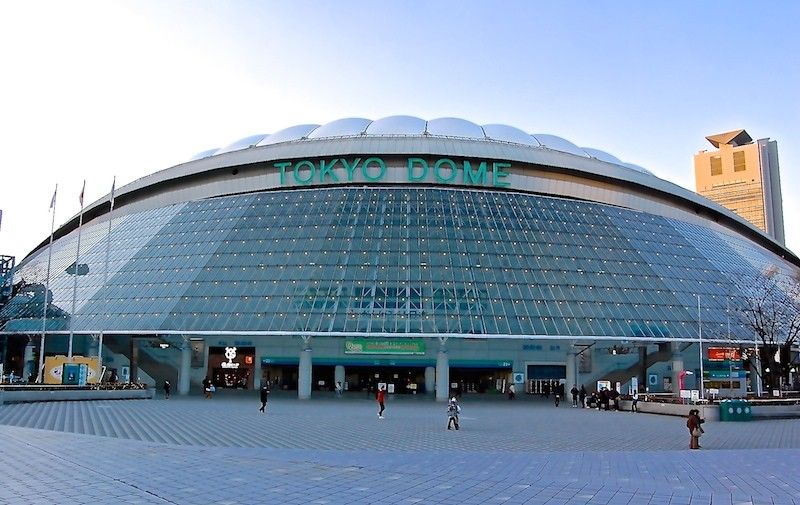
You can enjoy watching sports, an amusement park, restaurants, a spa and a hotel within the same area. Tokyo Dome City is a general amusement facility where you can enjoy a whole day in the center of Tokyo.
The Imperial Palace East Gardens is a historical park located to the east of the Imperial Palace. It reminds you Central Park in New York. Although it’s near Tokyo Station, within the grounds of the garden you miraculously cannot hear the bustling metropolis.
The first large-scale theme park dedicated to the history of ONE PIECE. Enjoy a day of being immersed in the world of ONE PIECE through live performances, attractions, restaurants, shops and other features.
This shopping mall boasts a wide variety of products including “manga”, “anime” figures, and rare toys that will satisfy even the most advanced collectors. Nakano Broadway is a new place of interest for people looking into Japanese subculture.
During the sakura season, the area surrounding Yasukuni Shrine becomes the most beautiful famous place in Tokyo for cherry blossoms. Although there is also the controversy of the war dead enshrined at Yasukuni, the shrine, where you can experience traditional events every season, has plenty of things to see.
Edo refers to the former name for Tokyo. It is at the Edo Tokyo Museum where various documents relating to the culture of the Edo period and Tokyo’s history are located.
The Ghibli Museum is dedicated to the animated films created by the famed director, Hayao Miyazaki. Titles such as “My Neighbour Totoro” and “Spirited Away” have captured the attention and love of audiences worldwide.
An urban park that has been loved for years as a daily resting area for Tokyo citizens which holds concerts and many events. If you’re tired of the city’s hustle and bustle, take a break in this huge park.
Kappabashi is the street located between Ueno and Asakusa with shops dealing in cookware. With over 100 years of history, customers from all over Japan, whether they be amateur cooks or professional chefs, come to the street. And even in recent years, it has become a hit with the overseas tourists as well.
In the ever-changing international metropolis of Tokyo, there is Koishikawa Korakuen Garden which has preserved its serenity. The garden of the illustrious family of the Mito branch of the Tokugawas, which has received both Special Historic Site and Special Place of Scenic Beauty status, was the most fashionable green space.
At the Japanese national broadcaster’s NHK Studio Park, you can find out about the production studio for TV programs. You can look at live broadcasts and encounter popular characters.
The Mori Art Museum on the 53rd floor of Roppongi Hills is a place where you can enjoy the latest contemporary art and Tokyo City View from a 360-degree observation deck. You can feel that the streets of Tokyo is art in itself.
This is a national museum pursuing natural history and science. Let’s avidly learn about science under the theme of “Human Beings in Coexistence with Nature”. A facility with a 360-degree screen is also a hit.
There are many tourist spots along the Arakawa and Sumida Rivers. Moving by train is fine, but how about going by water bus while viewing the scenery from the river?