Located in the mountains north of Tokyo, Nikko is a small city in Japan’s Tochigi Prefecture. It’s the site of Toshogu, the famed Shinto shrine established in 1617 as a lavish the mausoleum of Tokugawa Ieyasu, founding ruler of the Tokugawa shogunate, or Edo Period. Nikko is a town at the entrance to Nikko National Park that serves scenic, mountainous landscapes, lakes, waterfalls, hot springs, wild monkeys and hiking trails. Nikko also has been a center of Shinto and Buddhist mountain worship for many centuries before Toshogu was built in the 1600s. Nikko can bring you very different feelings from other parts of Tokyo. Let's check out the list of top 23 attractions that you don't want to miss in Nikko.
Top 23 must-see spots and places to go in Nikko, according to TripAdviser.

Toshogu Shrine
Toshogu enshrines Ieyasu Tokugawa, the first Shogun who established the Edo Shogunate. There are many highlights including the extravagantly decorated Yomemon gate, and the decorative carvings known as the Sleeping Cat and the Three Wise Monkeys.
read more
Edo Wonderland Nikko Edomura
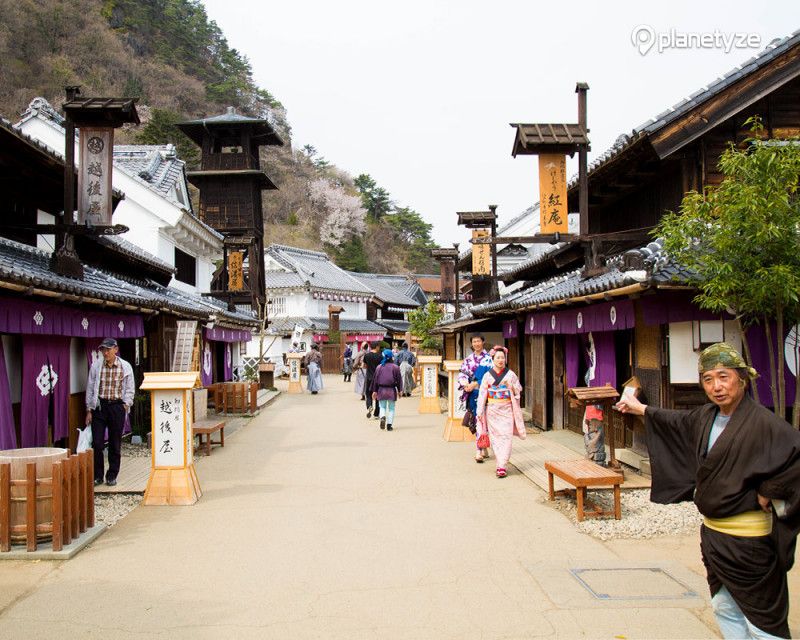
It will take even an adult more than 1 hour to just walk around the grounds. It is an illusionary experience that will make you wonder if you have gotten lost in the world of movies. Transforming yourself into a person of the Edo era is the key to fully enjoying the theme park.
read more
Nikko National Park
The park is so big that you enter it without even noticing. It is a magnificent natural park with over 2000 m of volcanic plains dotted with lakes, marshlands, and waterfalls.
read more
Kegon Falls
The water falling down a long distance from a great height looks like it’s in slow motion. The intensity of the waterfall is quite hard to capture in a photograph, so go see it for yourself.
read more
Futarasan Shrine
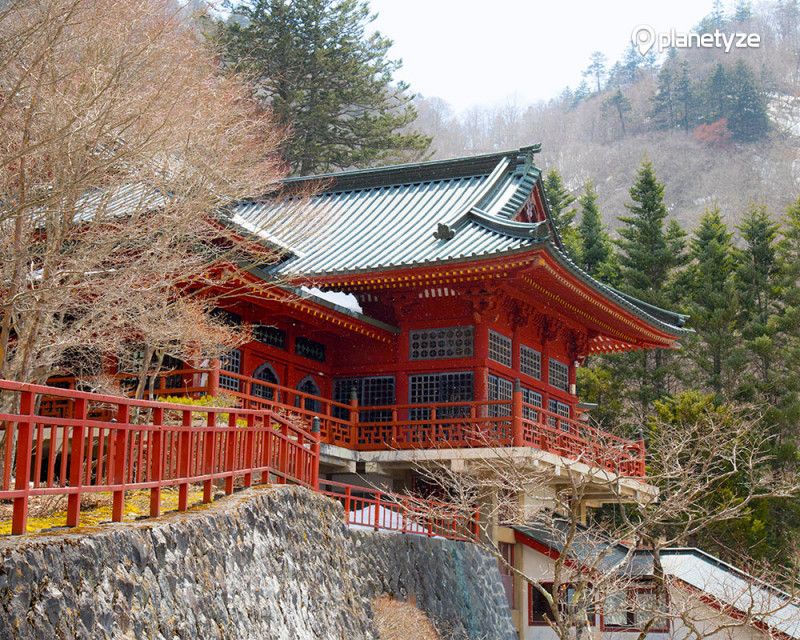
This temple that was built by Shodo Shoin, the first to priest to explore Mount Nikko. The temple worships Mount Nantai as a god and continues to keep guard over Mount Nikko.
read more
Taiyuinbyo
Taiyuinbyo is the grave of the third Shogun (military governor) of the Tokugawa dynasty, Iemitsu Tokugawa. He truly respected his grandfather, Ieyasu Tokugawa, and wrote in his will that he will “continue to serve Ieyasu even in death.”
read more
Ryuzu Falls
The city of Nikko is located 600 meters above sea level, but Ryuzu Falls is at an even higher elevation. It is a waterfall that symbolizes the secluded Oku-Nikko region known as a summer resort area.
read more
Yutaki Waterfall
There is an elegance to the water gliding out over the black rock surface. The bubbling water in harmony with the spring flowers and the autumn foliage is a sight so lovely you will never forget it.
read more
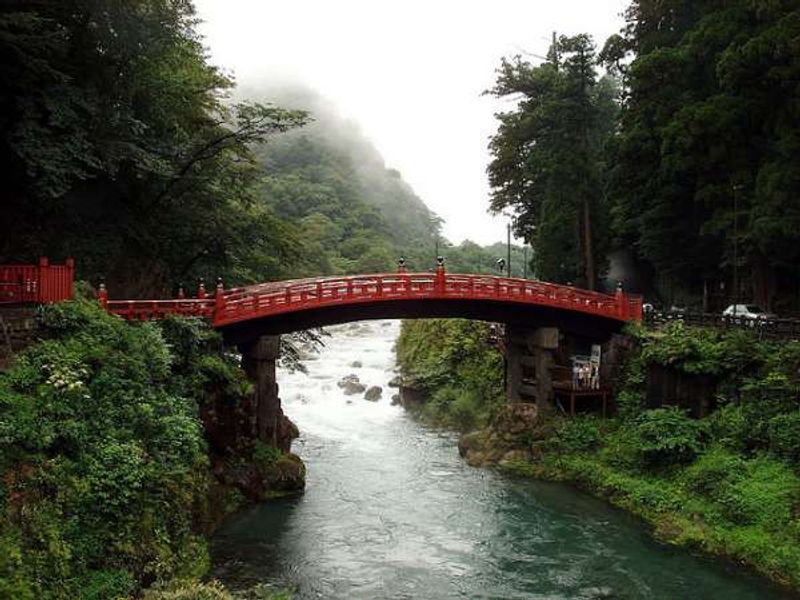
Shinkyo Bridge
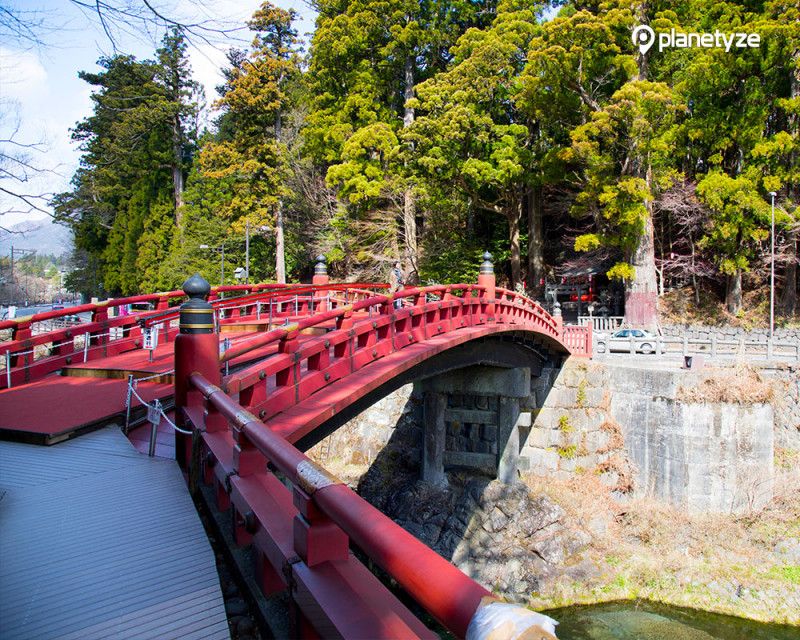
In the past, only important officials like the “shogun” (military commander) could cross over this bridge. The vermilion bridge among the green trees is a beautiful sight. It is ideal for this bridge to act as the entry point into the Nikko area.
read more
Nikko Tamozawa Imperial Villa Memorial Park
This is an Important Cultural Property of Japan located close to the World Heritage Site “Shrines and Temples of Nikko”. The building beautifully integrates the architectural techniques of the Edo, Meiji, and Taisho Eras.
read more

Lake Chuzenji
A lake created when the eruption of Mount Nantai 20,000 years ago dammed the area. It’s located within a national park at an altitude of 1200 m. It is also the largest highland lake in the world.
read more
Kanmangafuchi Abyss
This is a place that was formed by the lava from the eruption of Mount Nantai. This lava formed ravine, a gift from the land, is a soothing walking course along the Daiya River.
read more
Rinnoji
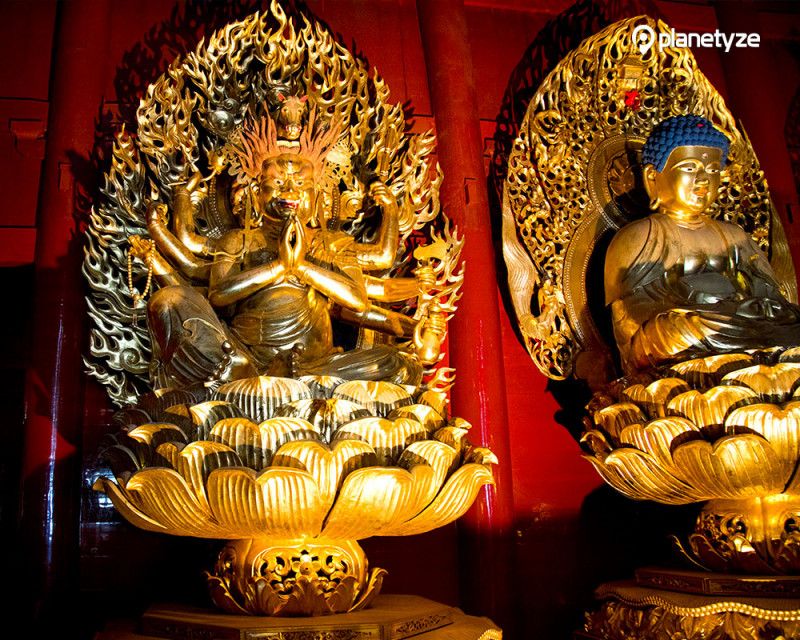
Founded by Shodo Shonin more than 1,200 years ago, the entire area of Nikko has served as a place for worship. Rinnoji is also known for its unique and intriguing ceremony called “Gohanshiki”. *The temple’s main hall, Sanbutsudo, is currently undergoing “the great repair of the Heisei period.” Until 2020, visitors will be able to have the unique and valuable experience of looking down into the main hall from above.
read more
Nikko Yumoto Onsen
This is the No. 1 onsen area as designated by the country. The quiet and relaxing onsen town is a different world next to the hustle and bustle around the station. It’s also ideal as an activity place for Oku-Nikko.
read more
Akechidaira
The amazing view of Oku-Nikko can be seen from Akechidaira. Located on the winding Irohazaka road, you can take a break from driving and enjoy the wonderful scenery from the large parking area.
read more
Nikko Botanical Garden
Grass, ponds and wetlands populate an area that spans over 100,000㎡, and there are even remnants of an Imperial villa in this forest-like site that runs along the streams of the Daiya River that flows from Kegon Falls.
read more
Hangetsuyama
Hangetsuyama is a mountain located in Nikko, Tochigi Prefecture with an altitude of 1753 meters. The observation deck on the mountain is famous for its splendid view of Oku-Nikko.
read more
Kinugawa River Boat Cruise
Starting from Kinunuma Marsh in Nikko National Park, the Kinugawa merges with one of the largest rivers in Japan, the Tone River, which straddles the border area between Chiba and Tochigi Prefectures. On the Kinugawa River Boat Cruise, you can enjoy a trip down the Kinugawa River gorge.
read more
Tobu World Square
Consisting of 6 zones including Japan, the United States and Egypt, 102 buildings from 21 countries including 45 World Heritage sites are recreated. The night illumination is also popular.
read more
Yunishigawa Onsen
Nikko is popular as a tourist destination lush in nature, blessed by mountains, rivers and lakes. In the middle of the nature of Nikko, you can relax at Yunishigawa Onsen.
read more