It would be a waste to go travel to Japan but not stopping by some spectacular shrines and temples because shrines and temples are one of the cultural symbols of Japan. Most Japanese people are Shinto believers and shrines are opened for everyone, religious or not, therefore those works capture a unique Japanese soul, Japanese' pride, and identity. You definitely don't want to miss a piece of this beauty when coming to Japan. Below are the best 30 shrines and temples that you may don't want to miss. Let's check them out!!
The best 30 Shrines and Temples to see while you travel to Japan


Sensoji Temple
Sensoji Temple is Tokyo’s oldest temple. Surrounding the main temple is a 5-story pagoda, as well as various shops along Nakamise-dori street leading up to the temple. The famous Sanja Festival, which spreads its way through the temple grounds, and the Hozuki Festival are held annually at Sensoji Temple.
read more
Kiyomizu-dera
Kiyomizu-dera is a Kannon temple where the goddess Kannon is worshipped. Kiyomizu-dera has a particularly long history among the temples of Kyoto and it is a registered World Heritage site. It is one of Kyoto’s most popular tourist attractions.
read more
Todaiji
Todaiji was completed in the year 752 and continues to be a popular place of religious importance to this day. The essential sights include the buildings that were rebuilt after being destroyed in fires caused by wars, the Daibutsu (the great Buddha), the masterpieces of the geniuses Unkei and Kaikei, and the statues of the guardian deities.
read more
Hasedera Temple
Hasedera Temple was constructed on the mountainside with views of both the ocean and city. The beautiful garden is blooming with hydrangeas and irises all year round. And because of this, the temple has also become known as the “flower temple”.
read more
Toshogu Shrine
Toshogu enshrines Ieyasu Tokugawa, the first Shogun who established the Edo Shogunate. There are many highlights including the extravagantly decorated Yomemon gate, and the decorative carvings known as the Sleeping Cat and the Three Wise Monkeys.
read more
Narita-san Shinsho-ji Temple
Narita Station is just 10 minutes away from the airport. The 800m path, leading to the temple from the station, is an old traditional street. You can experience Japanese culture through the famous regional delicacy of eel and traditional festivals. It would be a waste to go to Narita just to use the airport.
read more
Chuson-ji Temple
This temple of the Fujiwara clan enjoyed 100 unbroken years of prosperity before becoming caught up in war. The Golden Hall, created by Kiyohira, the founder of the Northern Fujiwara clan, is a hidden treasure that illustrates Paradise and prayers for peace.
read more
Okunoin Temple
The sanctuary Okunoin Temple has been a place of comfort and support not only for the common people, but also for samurai warriors from 200 years ago. The road to the temple is 2 km long, surrounded by a mystic grove of Japanese cedar trees, which leaves you with a lasting impression. It is a power spot that cleanses your soul.
read more
Great Buddha(Kotoku-in)
Kamakura is a city located in Kanagawa Prefecture, nestled between the mountains and the ocean. It is an area that is abundant in nature. The Great Buddha of the Kotoku-in Temple has been designated as a National Treasure.
read more
Kumano Nachi Taisha
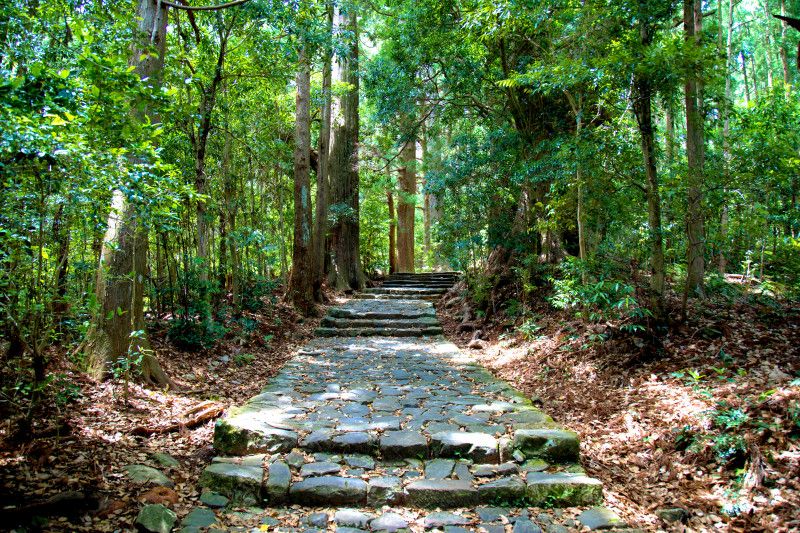
Nachi Taisha is one of the red lacquer-painted temples that glisten among the trees. It appears out of the forest along the beautiful stone steps of the Kumano Kodo route. Here, close to Nachi Falls, you will experience the impressive nature of Kumano.
read more
Hokoku-ji Temple
Hokoku-ji is a Zen temple that was established 700 years ago. It has been carefully maintained over a long period of time and the lush bamboo grove will take your breath away. Drink some matcha tea during a tea ceremony and take some time to quietly view the forest.
read more
Sanjusangen-do
Sanjusangen-do was rebuilt in 1266 and has been maintained, repeatedly undergoing repairs, for more than 700 years. 1001 statues of Kannon are enshrined in the 120-meter long temple, made entirely of Japanese cypress.
read more
Zuigan-ji Temple
The dazzling main hall constructed by the first feudal lord of the Sendai clan, Masamune Date, cannot be missed. Experience art from Japan’s Middle Ages at Zuigan-ji Temple, where many Important Cultural Properties including National Treasures are maintained.
read more
Motsu-ji Temple
The garden culture of the powerful Northern Fujiwara clan retained through the centuries. Nature and the world of Buddhism is merged into this garden, created in the image of the Buddhism Pure Land. Walk through this tranquil garden and reminisce over the lifestyle of the elegant Heian nobility.
read more
Kongobuji Temple
Kongobuji temple is the headquarters of Mount Koya Shingon Buddhism. This is the place to experience Japanese culture through your five senses. Encounter the beauty of Japan by walking through the great variety of rooms, listening to the Buddhist sermons given by the monks, and participating in a meditation session.
read more
Ginkakuji (Higashiyama Jisho-ji)
Ginkakuji was built in 1490 by Yoshimune Ashikaga, the Eighth shogun, who prospered in the Muromachi period. The first floor section is built in a domestic style, and the second floor section is built in the style of a Buddhist temple.
read more
Mitaki-dera Temple
Here, you become one with nature, enveloped by the serenity of stone Buddha statues on the mountainside. It is known as a famous place for cherry blossoms and autumn leaves. An old residence has been refurbished as a popular teahouse with a peaceful atmosphere.
read more
Toshodai-ji
Toshodai-ji is a famous temple founded by the Chinese high priest, Jianzhen, in the Nara Era. You can feel the ancient memories infused in the buildings and Buddhist statues on the temple grounds that have existed for hundreds of years.
read more

Kencho-ji Temple
Kencho-ji is Japan’s oldest Zen temple, built in the 13th century. Experience the serene world of Zen while walking through the large grounds of this awe inspiring temple and viewing the garden of the chief priest.
read more

Myosen-ji Temple
Its beauty is not just due to the dignified thatch roofed Niomon Gate, the five story pagoda, or the garden but is also includes the tranquil woodland scenery that can be seen from the old graveyard behind the Hozo treasure repository. It is a famous temple where you can relax amid the serene environment.
read more
Seisui-ji Temple
A truly secluded temple. The vermilion Guze-den Hall built to resemble Kiyomizu-dera Temple in Kyoto has a grand appearance as it stands tall amid the trees. The sound of the river off in the distance further deepens the tranquility of the temple.
read more
Tocho-ji Temple
A temple with many highlights such as the country’s largest wooden seated statue of Buddha, the “Rokkaku-do” building (only open to the public once a month), and the recently built 5 story pagoda.
read more
Natadera Temple
Countless numbers of caves exist on the exposed rock wall. Natadera Temple is infused with a mysterious beauty, surrounded by the nature of the mountains, with features such as a garden with tall strangely shaped rocks and a main hall situated inside a cave.
read more