Top 18 things to do in Ibaraki according to TripAdvisor
Ibaraki has recently become a popular place to visit for people who want to visit places they’ve never seen before. So when visiting Ibaraki, what are the top things to do according to TripAdvisor? Below are 18 recommendations.
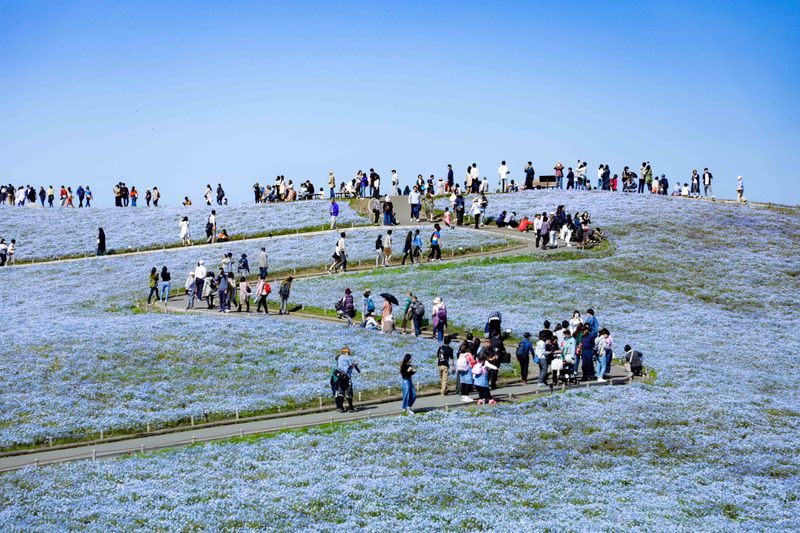
Hitachi Seaside Park is a huge park known for its blooming flowers throughout the four seasons. The blue nemophila covering the ground from late April to early May is the most famous. Then there's the Fukuroda falls, which is an immense ribbon-like waterfall flowing over the rock face. And there are many other places to visit, as you can see in the list below.
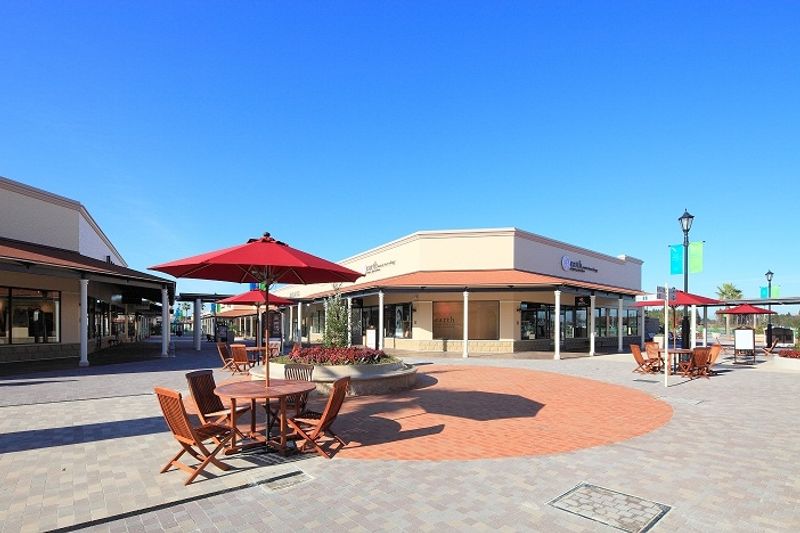
It’s a prominent outlet mall in the northern Kanto region with plenty of sightseeing spots in the surrounding area. There are lots of high quality products, many of them of American brands.
Miharashi-no-Oka Hill commands a wonderful view of the park and its flowers all throughout the four seasons. There are facilities for sports and even an amusement park. This is a park that can be enjoyed by people of all ages.
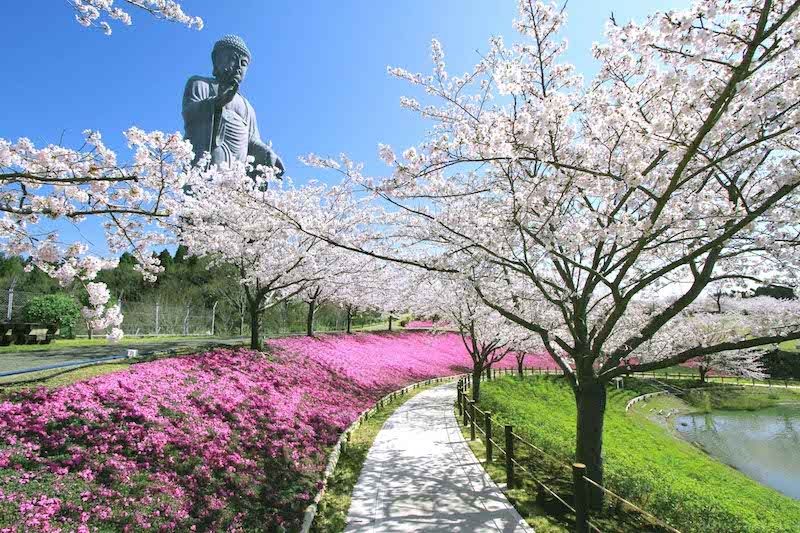
The “Ushiku Buddha” is designated by the Guinness Book of World Records as the world’s largest bronze statue. It is well known by many as a symbol of the garden cemetery, “Ushiku Jouen”, where many people gather and relax.
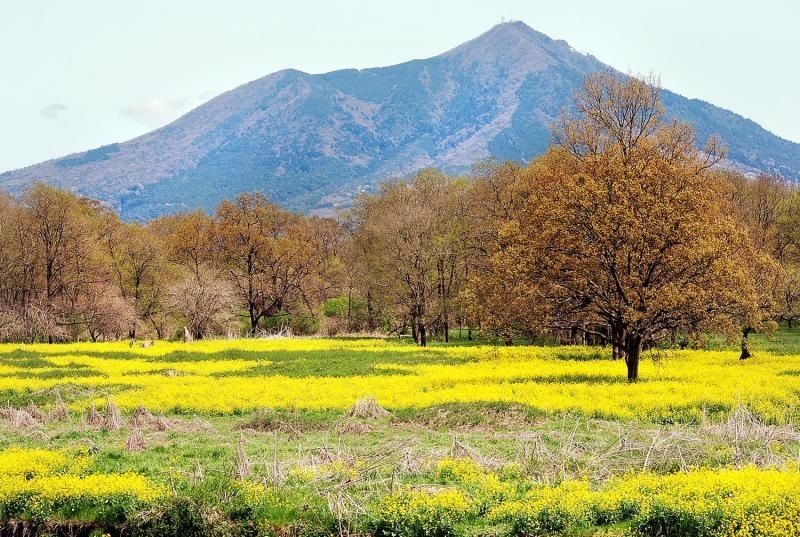
From their elegant appearances, Mount Tsukuba and Mount Fuji have been known as “Fuji of the West and Tsukuba of the East”. Along with the climbing trails and hiking courses, you can also enjoy going up the mountain by cable car or ropeway.
Taking up a third of Ibaraki Prefecture, Lake Kasumigaura is the 2nd largest lake in Japan, next to Lake Biwa in Shiga Prefecture. There are “hobikibune” boats and excursion vessels, symbols of summer there, along with “onsen” and other leisure facilities.
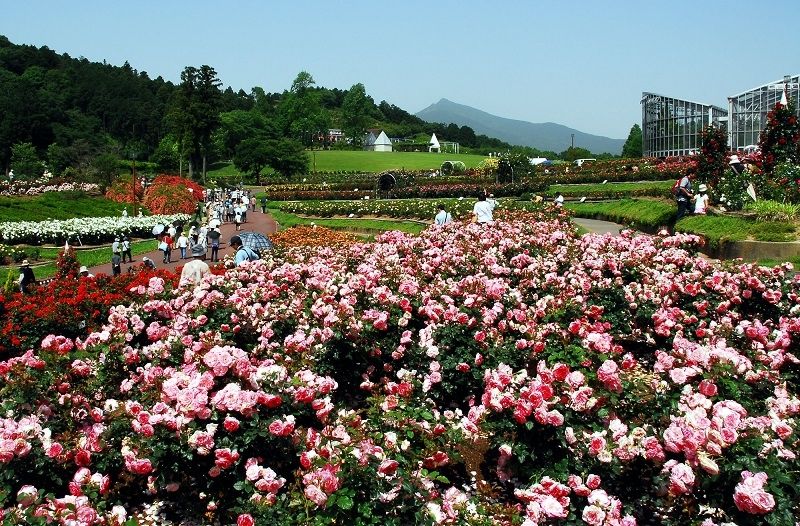
There are flowers blooming all throughout the year in this park, such as dahlias and peonies. After enjoying the nature trail and the Fureai-no-Mori Forest, you will want to stop to eat at the special restaurant.
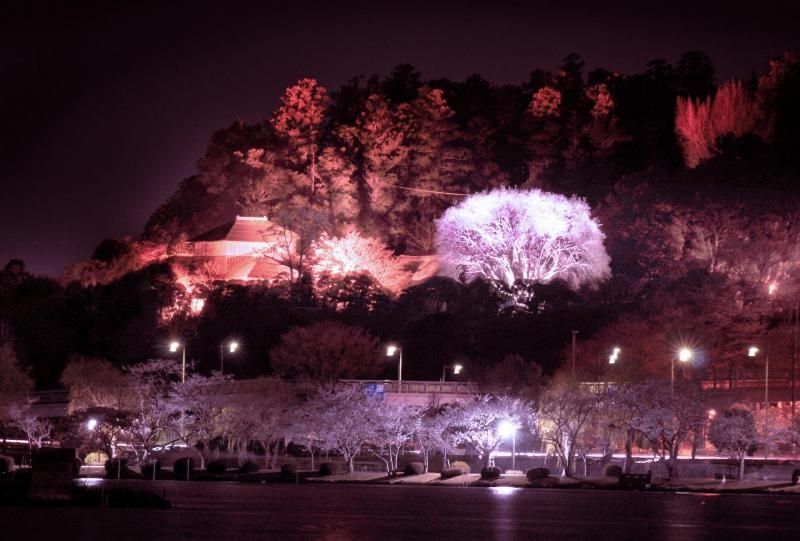
This is a famous garden with a landscape full of 3000 plum trees of 100 different species. It is known as an artistic Japanese garden because of how the garden was constructed to have visitors appreciate the scenery in a certain order.
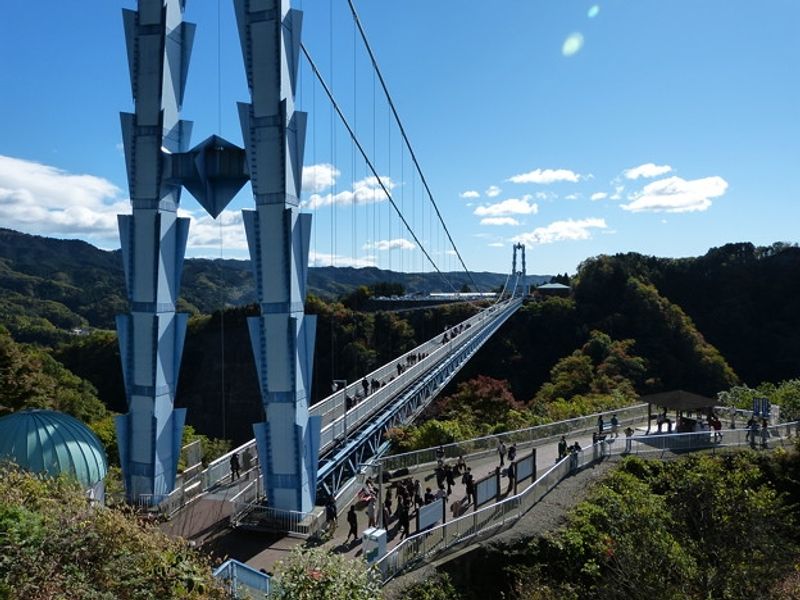
This is Honshu island’s largest bridge used by pedestrians, at a length of 375 meters and a height of 100 meters. There are various ways to enjoy yourself, including the wonderful view from the bridge over the dragon-shaped Ryujin Lake and bungee jumping.
Fukuroda Falls, as one of Japan’s Three Great Waterfalls, ranks 3rd after Nikko’s Kegon Falls and Kumano’s Nachi Falls. At a height of 120m and a width of 73m, it is a beautiful waterfall with a 4 tiered rock face on which the water flows like a ribbon.
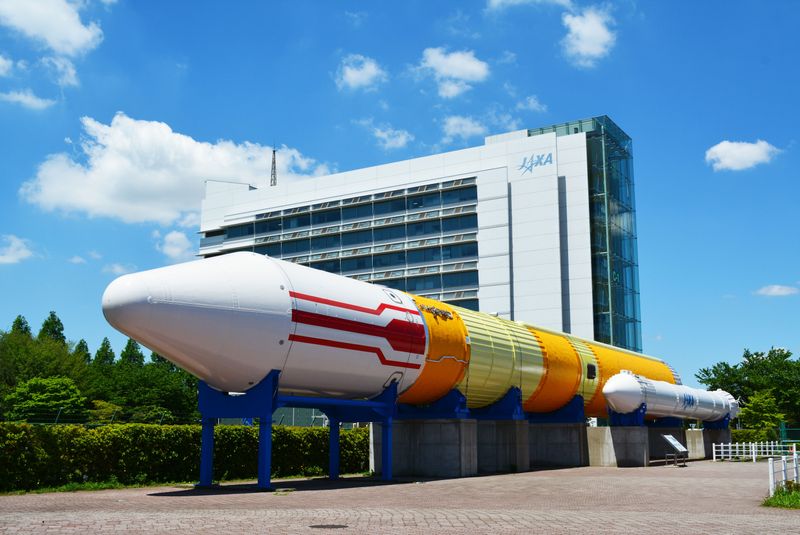
Along with displays of real rockets and actual satellites among other exhibits, it’s also popular for its tour of the facility. The center has good access through a 1-hour direct ride from Tokyo.
The trail is ideal for jogging and walking as it winds around the lake in 3km, surrounded by plenty of nature. After getting that workout while sensing the passing of the seasons through the cherry blossoms of spring and the fireworks of summer, take a break at one of the cafés or restaurants in the area.
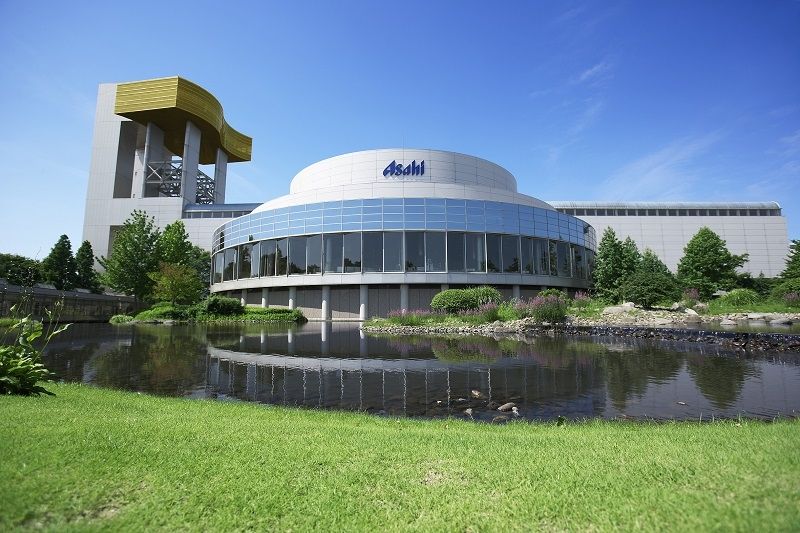
You can observe the beer making process on the factory tour and you can also take a stroll through the garden. The beer sampling at the end of the tour takes place in the 60m high tower. Drinking beer with a view of the Kanto Plains is an exceptional experience.
Hitachi no Kuni Izumo Grand Shrine was established in 1992 as a branch shrine of Shimane Prefecture’s Izumo Grand Shrine. Hitachi no Kuni is a power spot that is directly connected to the head shrine.
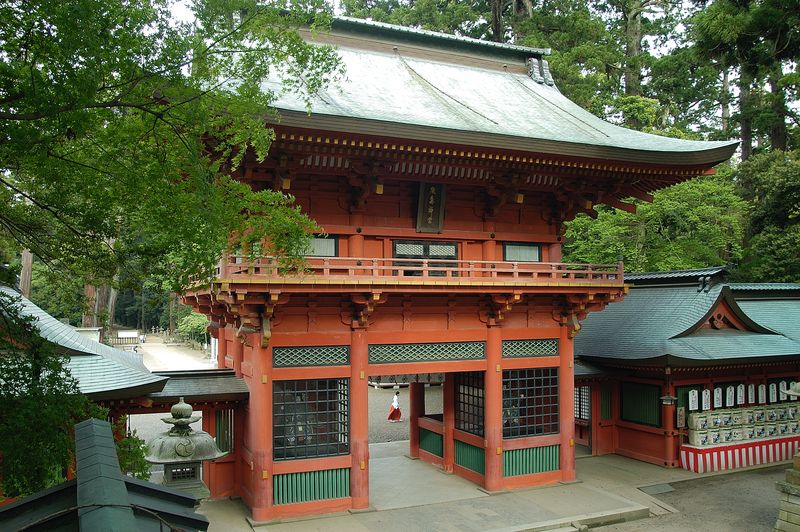
Established in 660 BC. Its huge 740,000 ㎡ grounds represent a spiritual spot as the start of a ley line (sacred ground connected by a straight line) that you will want to visit during a transition in your life.
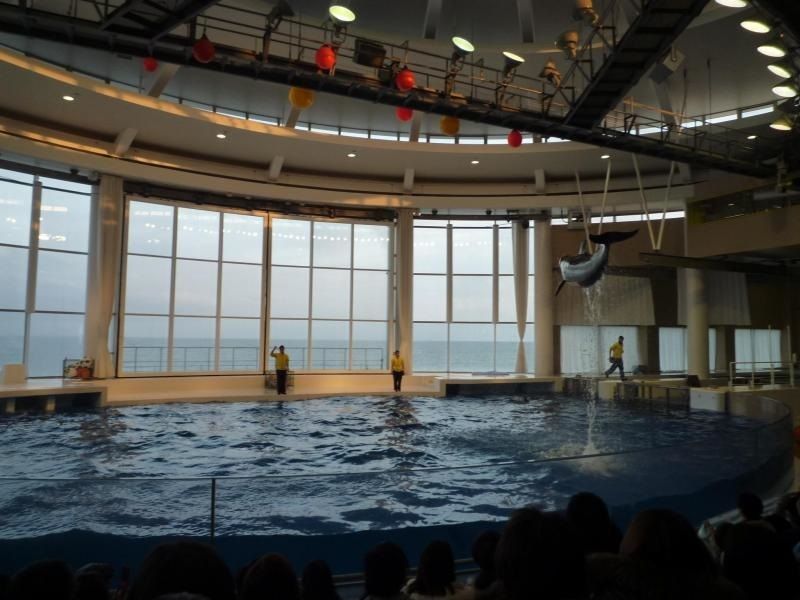
There are 68000 animals on display representing approximately 580 species. This is an interactive, and not just a viewing, aquarium which you can explore and get in touch with 45 species of shark and encounter the difficult-to-breed ocean sunfish.
Get in touch with various kinds of art through the many works of potters, a large-scale playground facility, an art musuem, pottery workshops and other events.
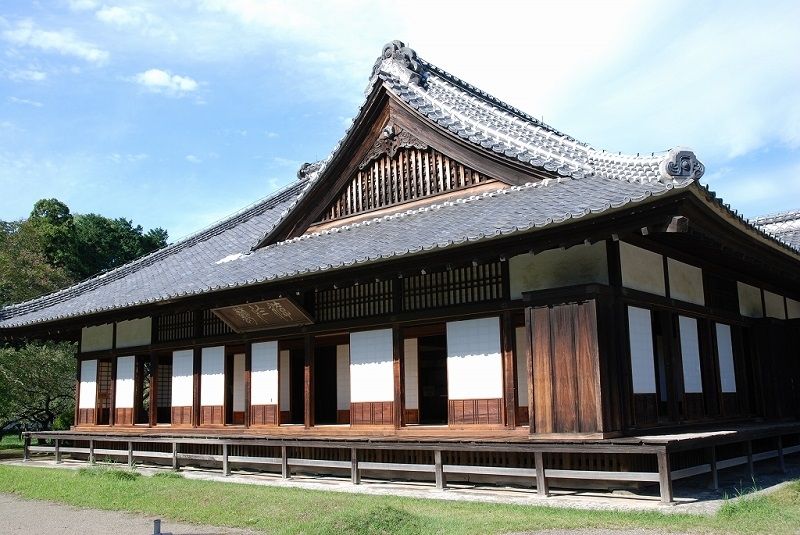
Kodokan is the school where the final shogun of the Edo Era, Yoshinobu Tokugawa, learned as a child, and was recognized in 2015 as a modern-day Japanese educational property. It is also famous for its 800 plum trees.
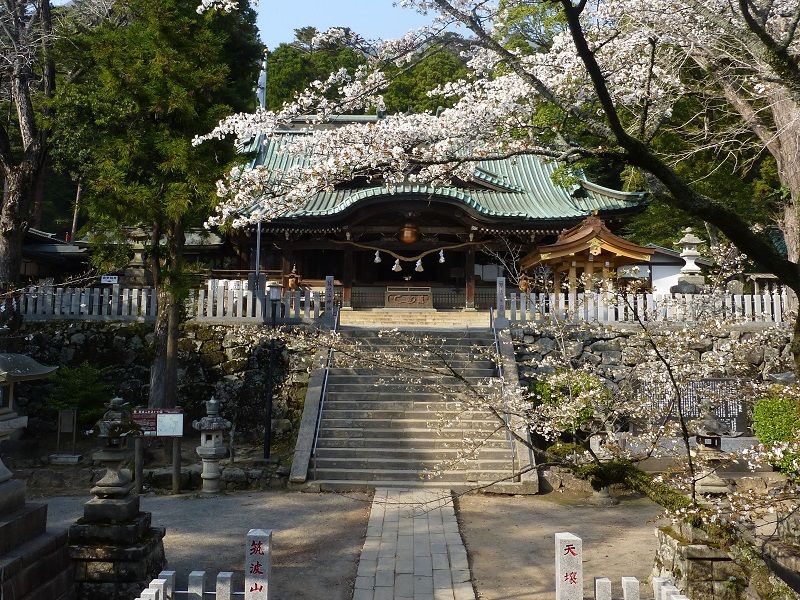
Tsukuba-san Shrine reveres Mt. Tsukuba as a sacred object and covers 370ha including the top of the mountain. Near the front shrine on the mountain, there is a town built around the gate where restaurants and other shops are located which attract many tourists.