The 20 most beautiful Shrines and temples in Kyoto
Kyoto, a city with long history and many traditional places, has always been on the list of the world's top cities. Recently, the city was even voted as the world's top city by the readers of Travel+Leisure, a famous magazine from New York.
Visiting temples and shrines is definitely a must do when traveling in Kyoto. There are over 1500 of them to be found in the whole of Kyoto. In the list below we recommend you the 20 most beautiful shrines and temples in Kyoto that are without a doubt worth it to visit.
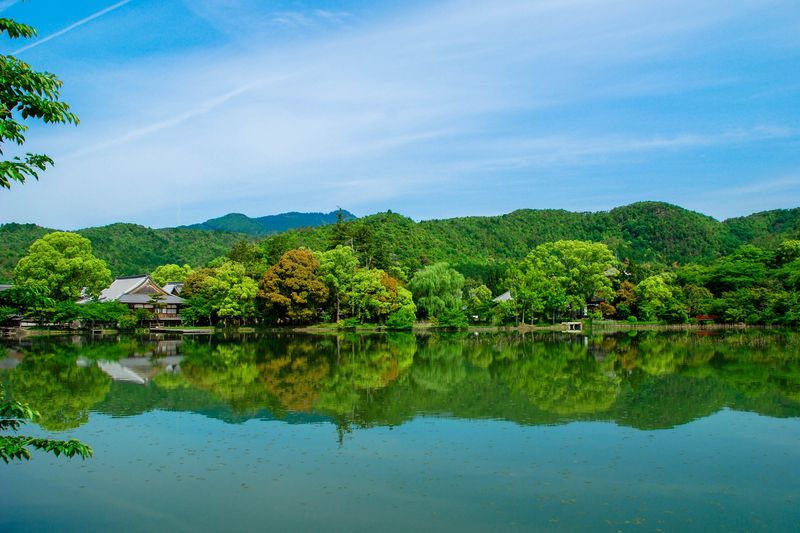
Daikakuji is a temple with many things to see. Such as Japan’s oldest man made pond, the corridors of nightingale flooring which are floors which chirp when you walk on them, and the beautiful images painted on the sliding doors. It is also known as the birthplace of “ikebana” which is the Japanese art of flower arrangement. The temple is a safekeeping place for a handwritten sutra written by the Emperor, and is a temple that has long had a relationship with the Imperial family. It is a place which relays Japanese culture to future generations.
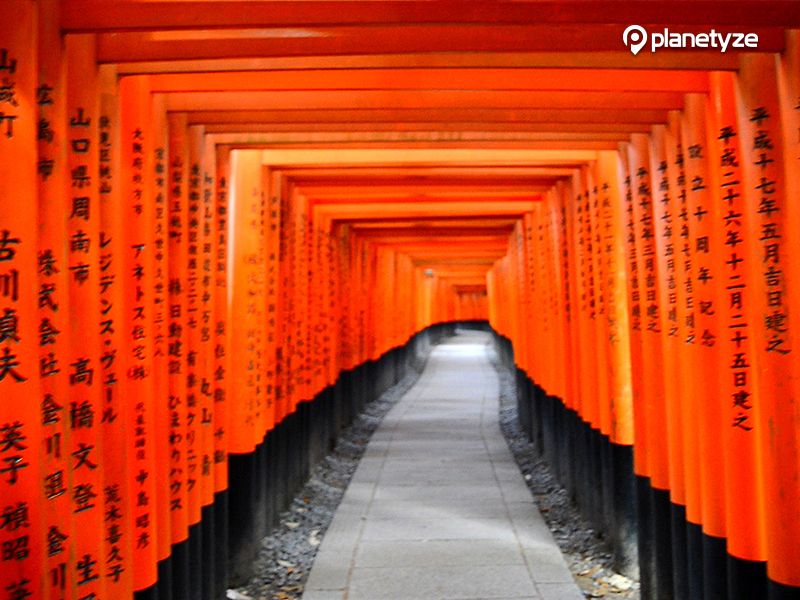
Fushimi Inari Shrine is the headquarters of all the Inari shrines. It has served as a place of worship for the common people over 1,300 years. The tunnel consisting of 10,000 torii gates is something to see. Enjoy a stroll through the rolling land on the spacious grounds of the shrine.
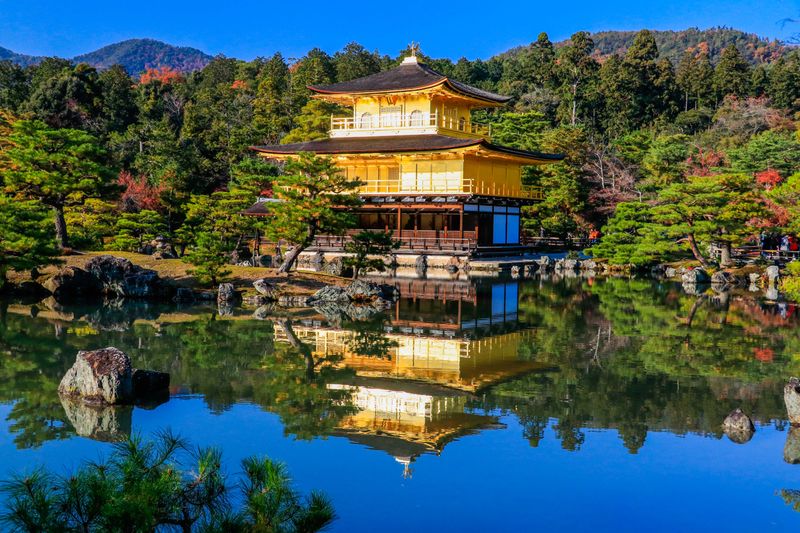
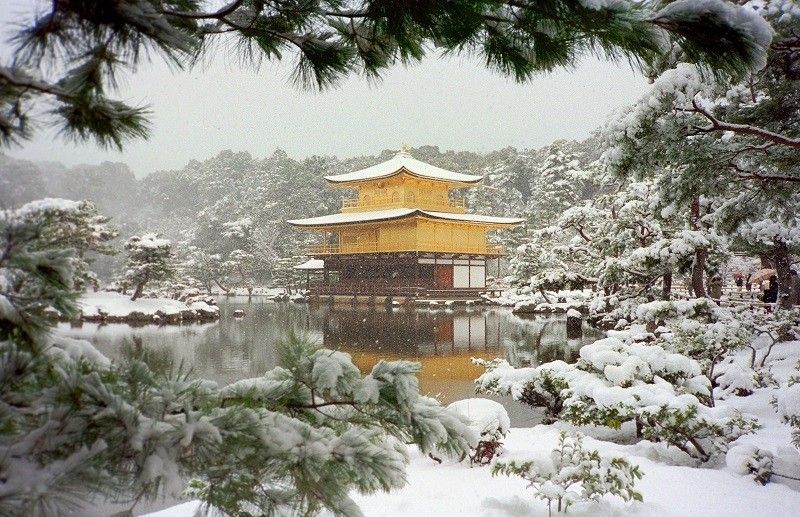
Kinkakuji was established in 1397 by Ashikaga Yoshimitsu. Kinkakuji is known for the dazzling appearance of its reliquary hall in the middle of the pond, decorated with gold leaf.
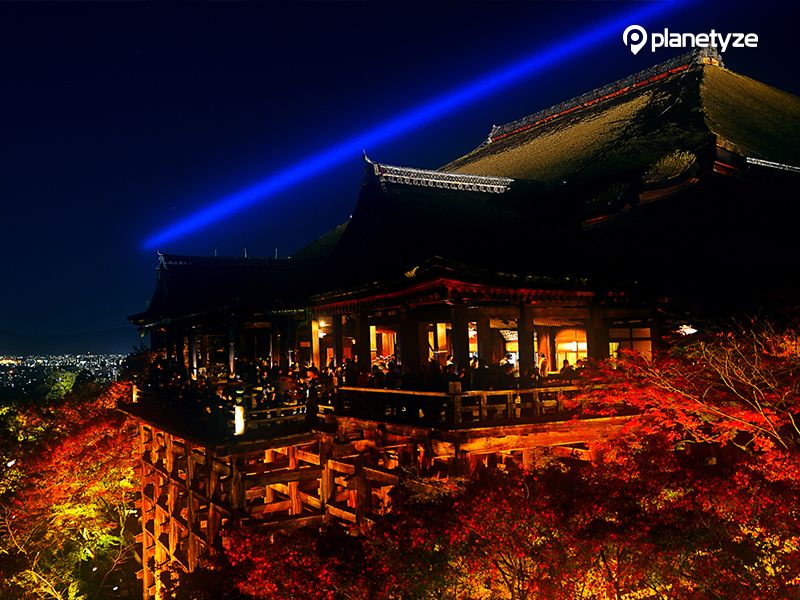
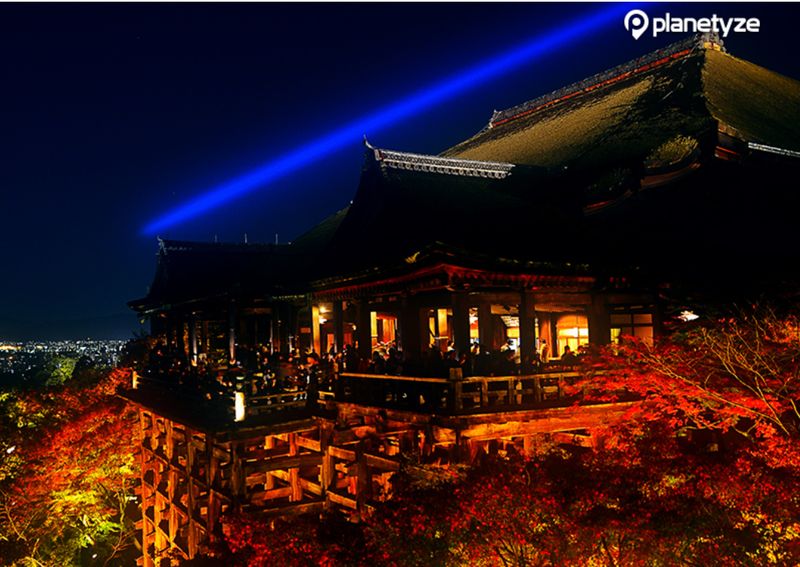
Kiyomizu-dera is a Kannon temple where the goddess Kannon is worshipped. Kiyomizu-dera has a particularly long history among the temples of Kyoto and it is a registered World Heritage site. It is one of Kyoto’s most popular tourist attractions.
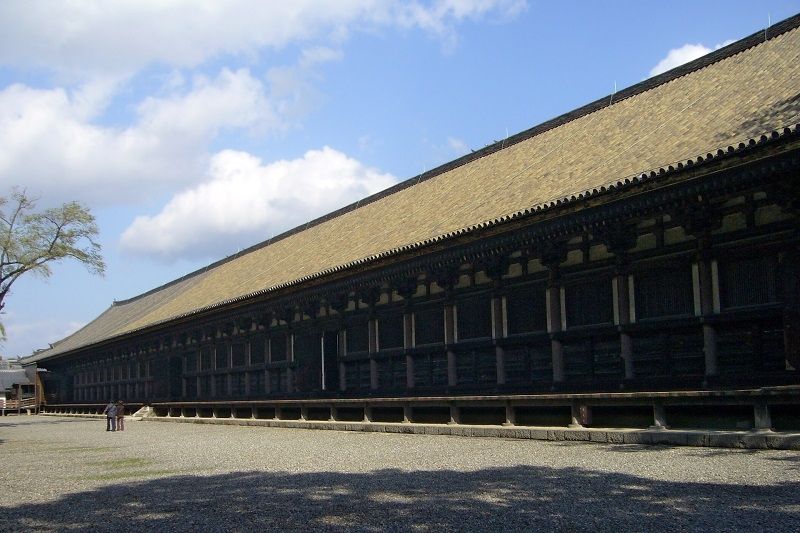
Sanjusangen-do was rebuilt in 1266 and has been maintained, repeatedly undergoing repairs, for more than 700 years. 1001 statues of Kannon are enshrined in the 120-meter long temple, made entirely of Japanese cypress.
Ginkakuji was built in 1490 by Yoshimune Ashikaga, the Eighth shogun, who prospered in the Muromachi period. The first floor section is built in a domestic style, and the second floor section is built in the style of a Buddhist temple.
The elegant temple scene is created by the beautiful architecture, the pond, and the garden, all covered in golden autumn leaves. This is one of the best places in Kyoto to see the autumn foliage.
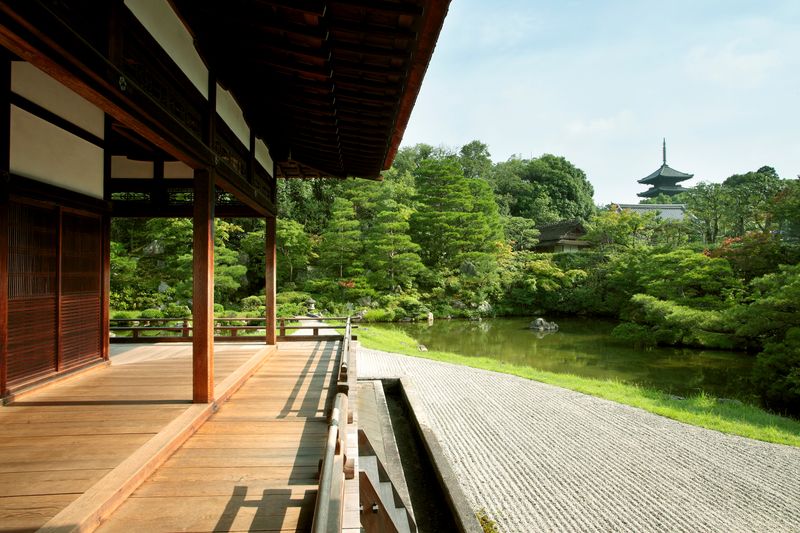
This temple was built in the year 888 by Emperor Uda. Ninna-ji, built in the style of Heian Era nobility residences, was recognized as a National Treasure and has also been registered as a World Heritage site. It is also a famous place to enjoy the cherry blossoms.
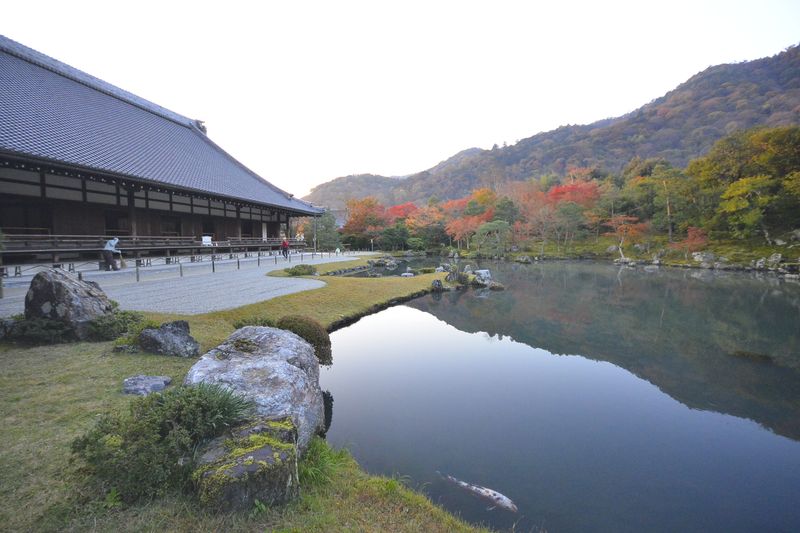
Tenryu-ji Temple once possessed all of the Arashiyama area. It has a garden which hasn’t changed in 700 years and an ink painting 9 meters in diameter titled “Unryu-zu” that is a splendid World Heritage asset.
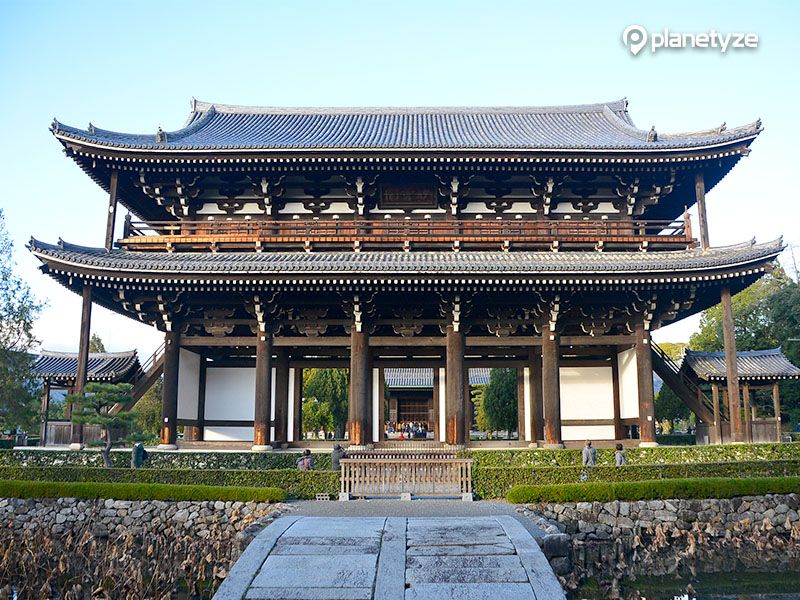
The temple has plenty of highlights including 25 sub-temples and a rock garden. It is also famous as a place to see the fall colors. The colors are especially beautiful at Tsutenkyo Bridge linking the main hall with Kaisan-do Hall.
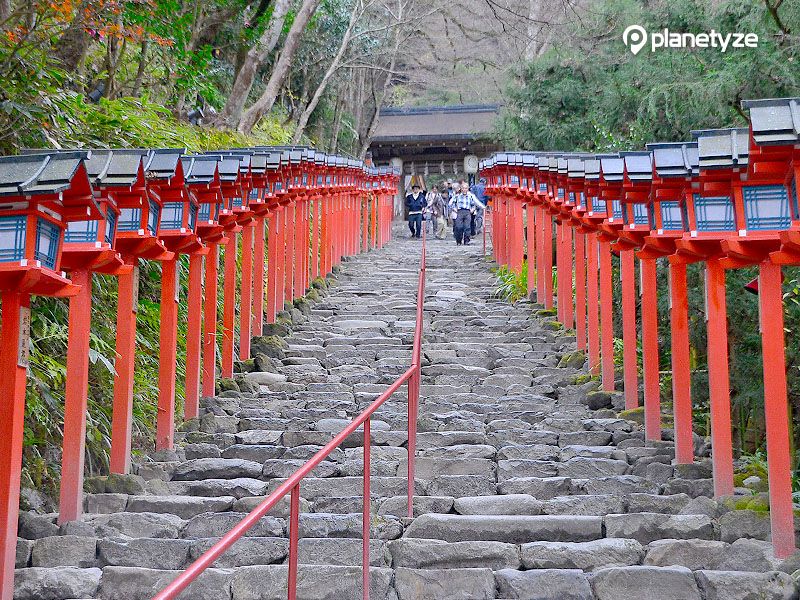
The Kifune Shrine is situated upstream from the Yodo and Kamo Rivers. It was said that the main building of the 1500 year old Kifune Shrine was built in an area gushing with water. It is a famous Shinto shrine, giving blessings in marriage, visited by historical figures for this reason.
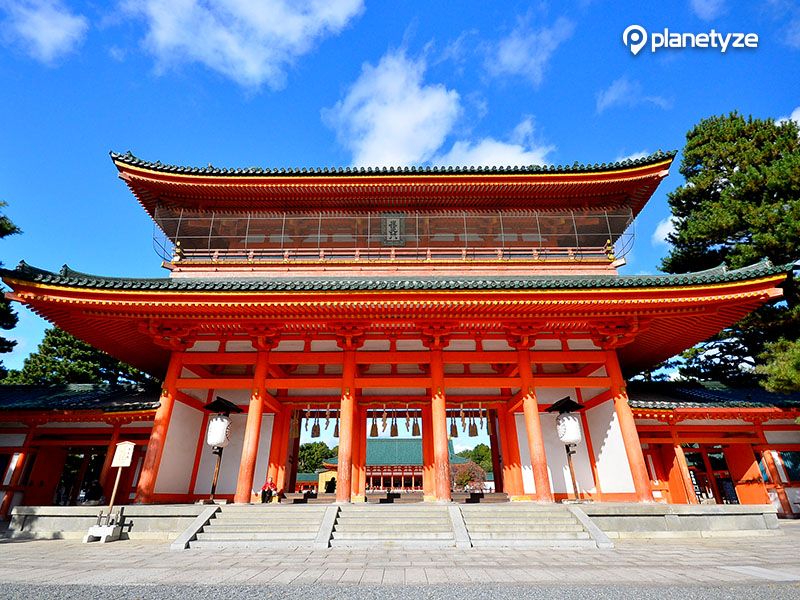
Heian Shrine was built in the Meiji period (1868 – 1912) based on a plan to reproduce faithfully the architectural styles and colors of the central government building Chodoin which was the symbol of the ancient capital Heiankyo (present day Kyoto). Enjoy the beauty of the four seasons in the vast, 30,000 square meter “excursion type” garden.
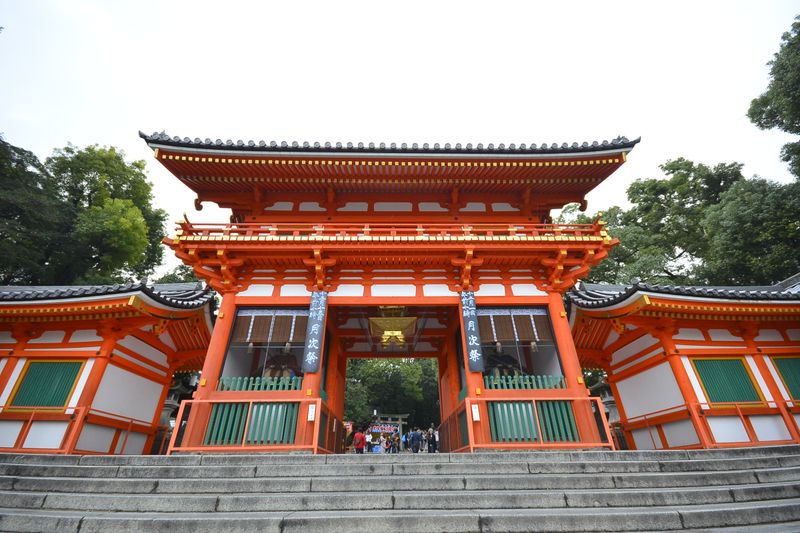
A shrine located close to Hanamachi , the origin of Kyoto’s Gion district. It is popular as a place to earn the grace of the gods for protection against evil, warding off of disease, business success, matchmaking, and beauty among other things.
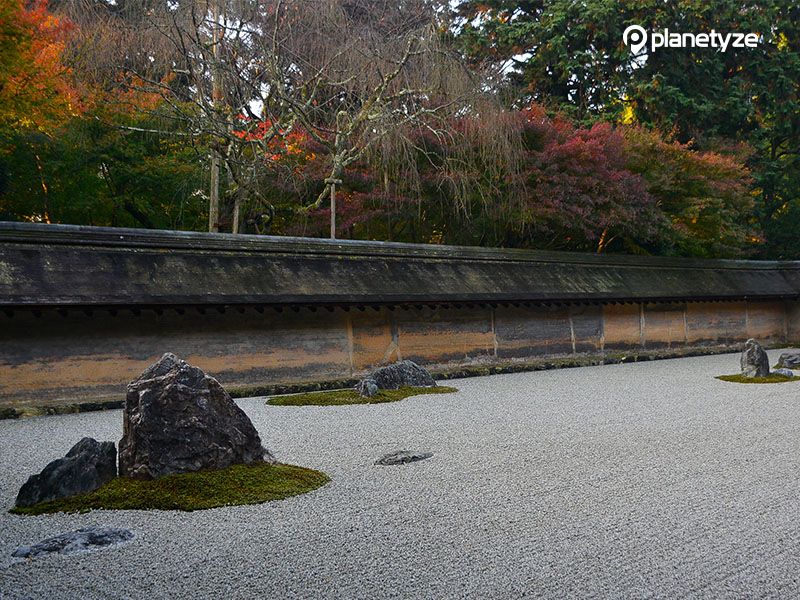
Hosokawa Katsumoto established Ryōan-ji in 1450 during the Muromachi period, when Zen sects flourished. “Karesansui” or dry landscape gardens represent water using stones and sand. The rock garden of Ryōan-ji is famous for this. The garden is listed as a World Heritage Site.
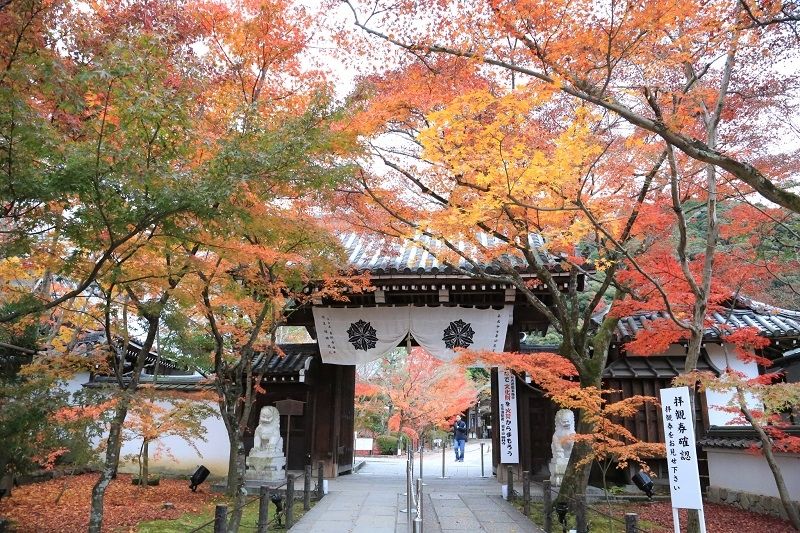
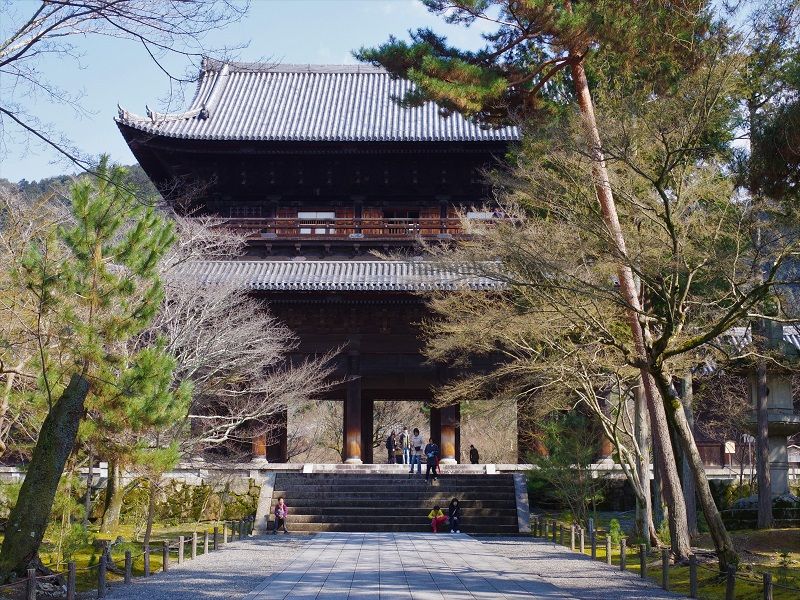
Nanzenji was built as a temple of prayer for the prosperity of the country. It was built by Emperor Kameyama in 1291 during the Kamakura period. It is one of the most popular locations to see the beautiful cherry blossoms in spring and the autumn colors in fall.
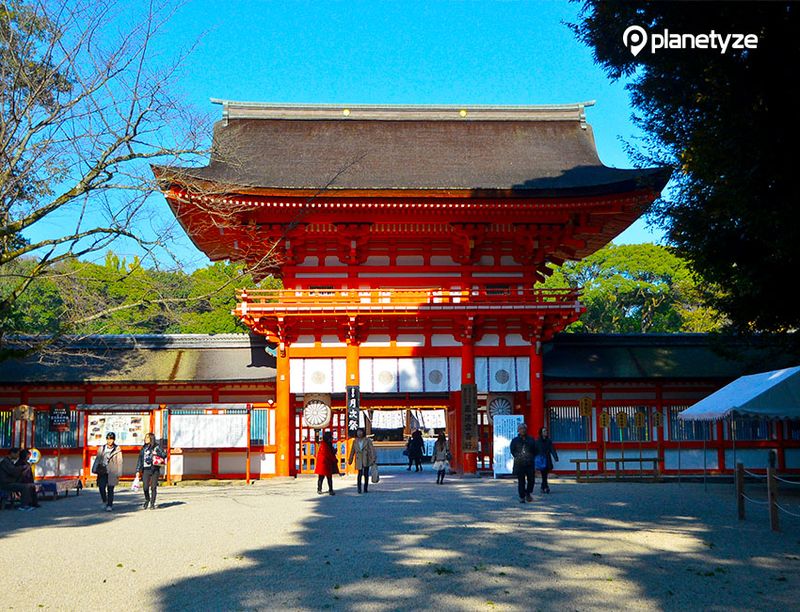
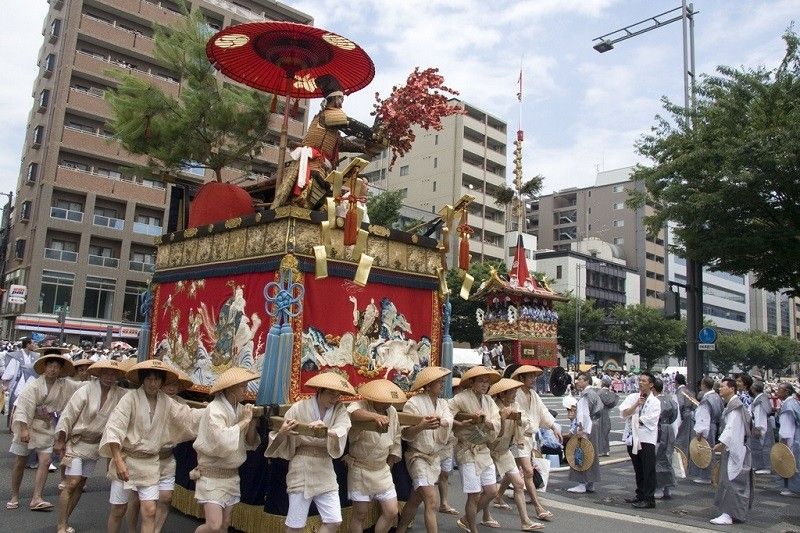
Shimogamo Shrine, known for one of Kyoto’s 3 Great Festivals, the Aoi Festival, is among the oldest shrines in Kyoto. While enjoying that walk through the woods in the huge grounds, you will want to share in the benefits of the various gods.
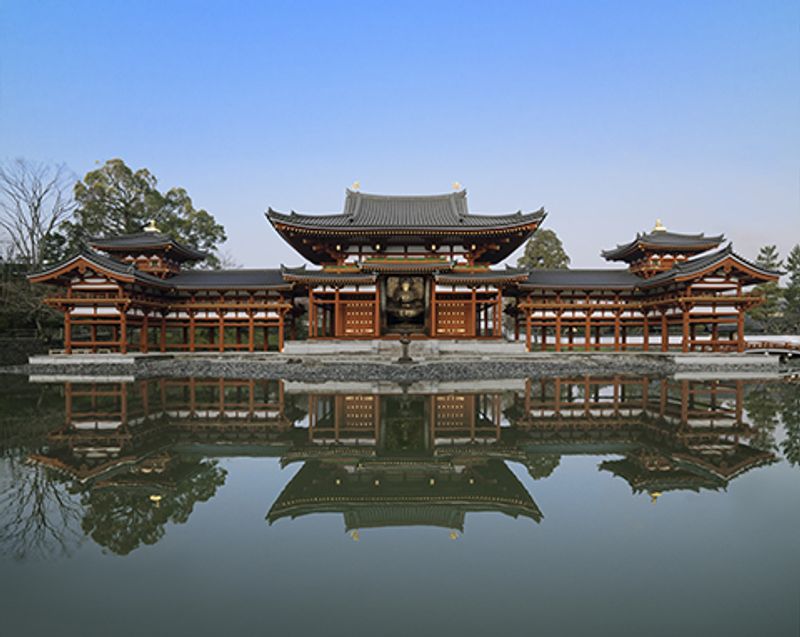
Byodoin Temple was made in the image of heaven by an aristocrat of the Heian period. It is a valuable building that shows the prosperity of the Fujiwara clan. The temple’s Phoenix Hall is brilliant following the recent completion of its restoration.
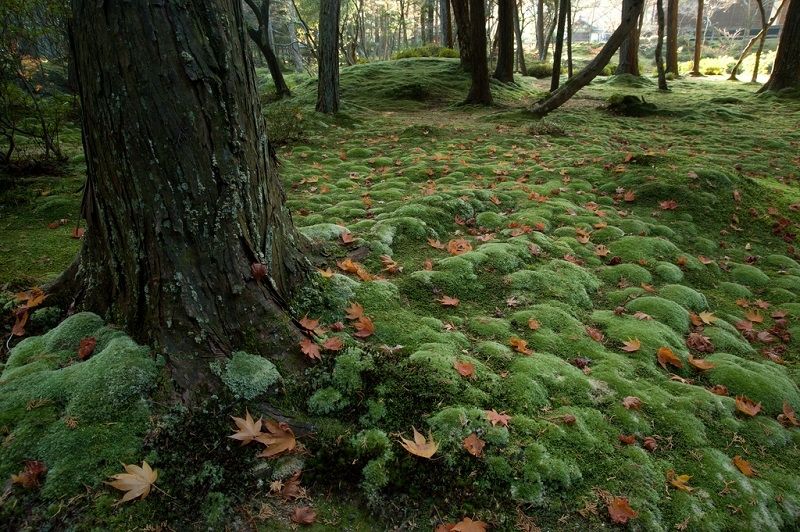
This is a moss garden that is a lush green thanks to the rainy season. The contrast of red leaves and the green moss during fall is beautiful. Reservations are necessary to see Koke-dera, a place which has been said to have been visited by Steve Jobs many times incognito.
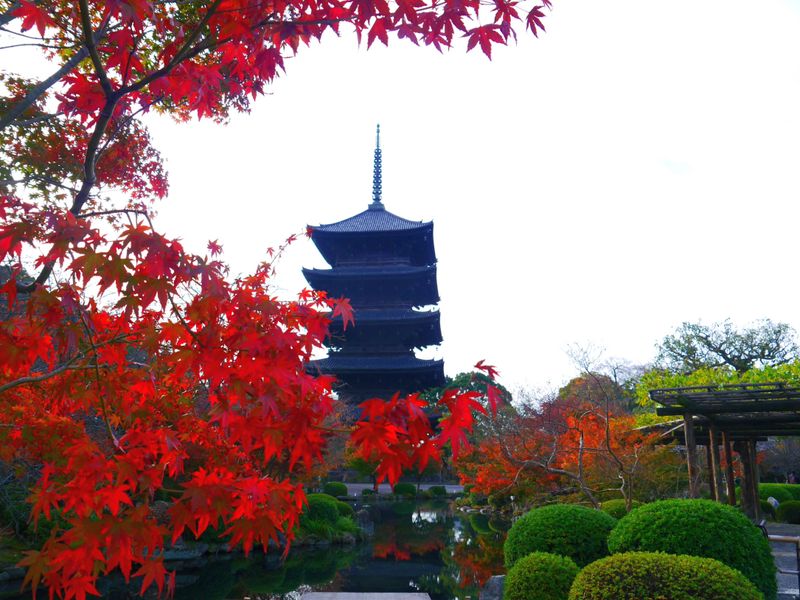
Roughly about a 10-minute walk from Kyoto Station. Surrounded by modern buildings of the city center, Toji exudes an atmosphere as though time stopped flowing at some point. Established 1,200 years ago, it is the first Esoteric Buddhist temple in Japan. Experience the unusual and distinctive world views expressed at this temple
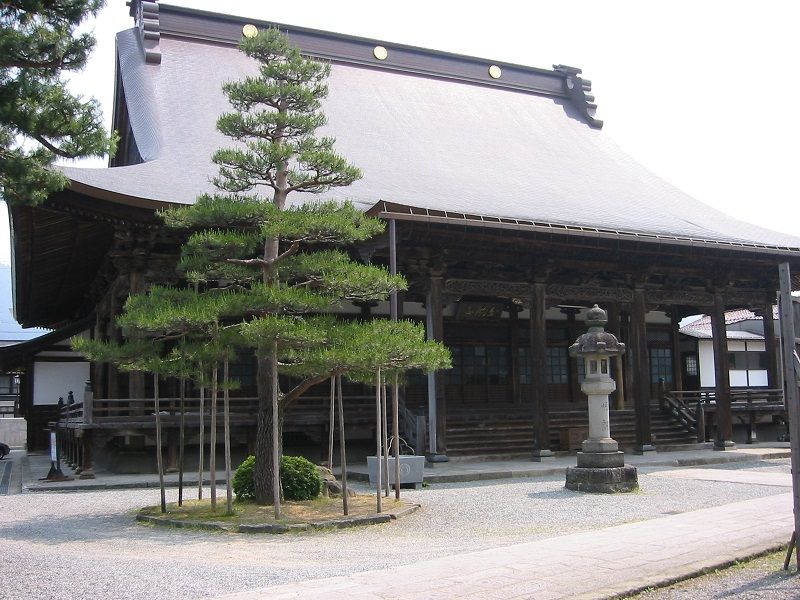
Located adjacent to the Town of White-Walled Storehouses along the Seto River, the temple has a beautiful view with the white walls in the background. On either side of the main hall built in 1667, there are guardian turtle sculptures. They have been admired for supposedly protecting the temple from the 1904 Great Fire of Furukawa.