Animal sculptures and carvings are the highlights of Toshogu shrine
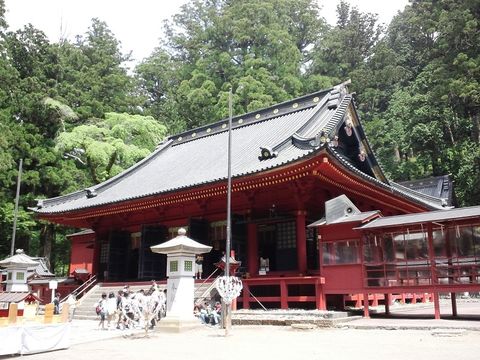
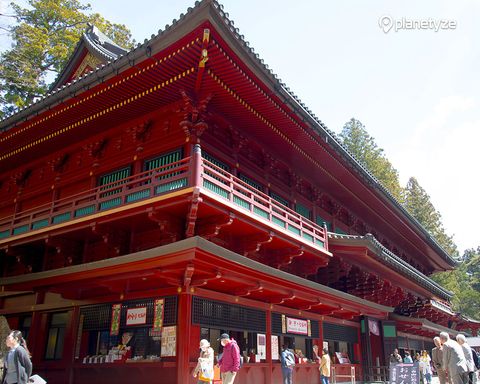
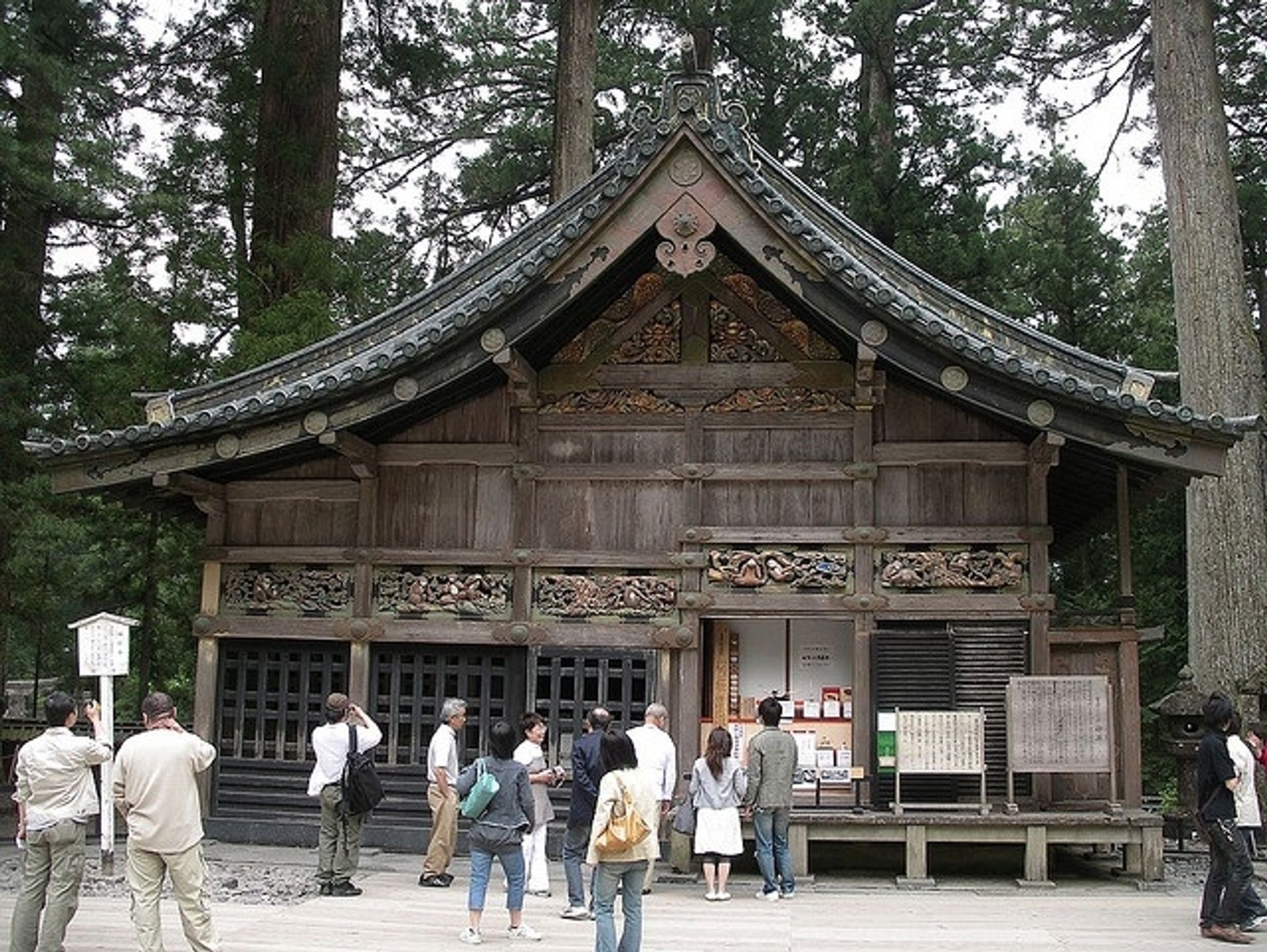
Toshogu enshrines Ieyasu Tokugawa, the first Shogun (military governor) of the Edo Shogunate (government), and it is also the location of Ieyasu’s grave. It was originally a simple and plain structure but the third Shogun Iemitsu built a host of brilliant shrines. This section introduces the must-see spots of Toshogu shrine. When the temple bell of Rinnoji is sounded at 8 o’clock in the morning, the gate of Toshogu shrine is opened. The shrine begins to get crowded from around 9 o’clock so you would probably want to enter the shrine immediately after the gate is opened. One of the highlights of Toshogu shrine is the animal related ornamentations. What must be mentioned first is the holly stable for the horses that serve the Gods on which the “Three Wise Monkeys” are depicted. The stable features eight pictures depicting the tale of a monkey from when it is born until it becomes a mother. Among these, the famous three monkeys symbolizing “see no evil, hear no evil, and speak no evil (Mi-zaru, Kika-zaru, and Iwa-zaru, a pun between saru or vocalized zaru “monkey” and archaic -zaru “a negative verb conjugation”)” are depicted on the second picture. The meaning behind this picture is to prevent the infant monkey from seeing, hearing or talking about the wickedness of the secular society. Another highlight is the “Sleeping Cat” at the top of Sakashita gate, the entrance to the grave of Ieyasu. This artwork was carved by the grate craftsman of the Edo period (1603 – 1868), Jingoro Hidari. Although it is not well known, sparrows are depicted on the back of the cat. It is said that this design–sparrows playing right next to their predator–symbolizes Ieyasu’s wish to create a peaceful world free of wars and conflicts.
Yomeimon gate – An extravagant gate with more than 500 carvings
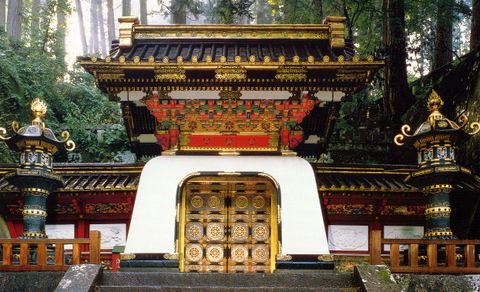
Yomeimon gate, the entrance to the main hall, is the symbol of Toshogu shrine. Dragons are depicted all over the gate. Some of these dragons are portrayed with unconventional characteristics such as hoofs and nostrils, and there are even ones that are depicted without whiskers. According to a Chinese tradition, dragons are a transformed form of carps; meaning, one can ultimately become a grand dragon by practicing daily. There are four columns at the back of the gate. Interestingly, patterns are depicted upside down on the second column from the right. Since it is said that buildings begin to demise from the instant they are completed, one column was purposely left in an incomplete state in hopes that the building will not collapse.