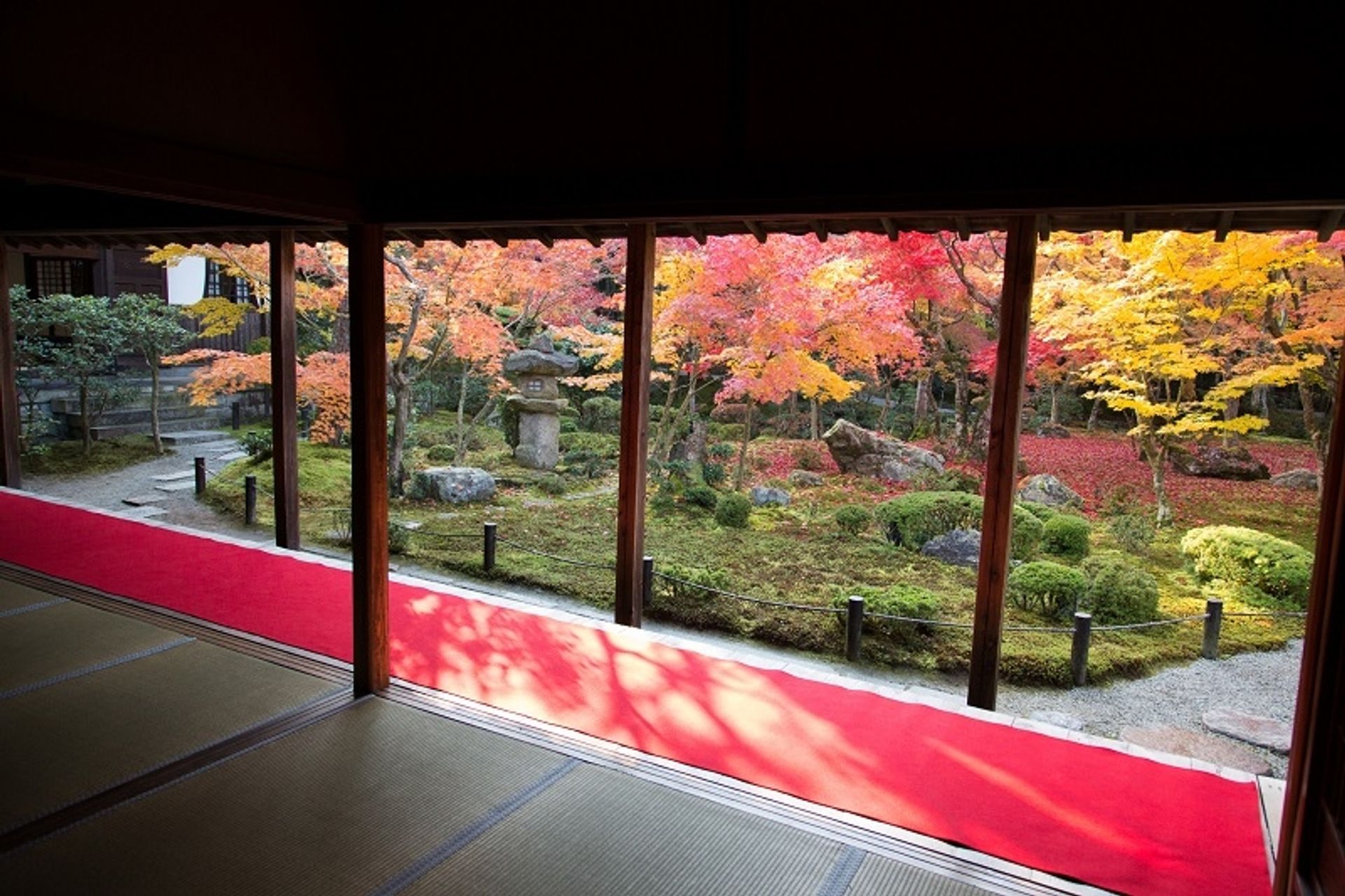
Enko-ji, the school that was transformed into a temple
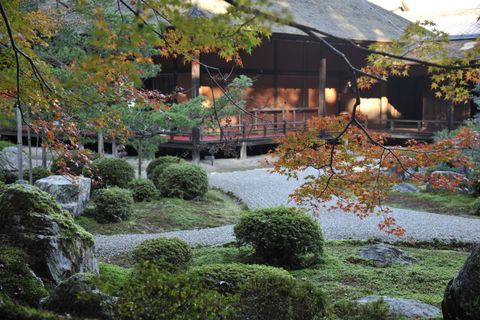
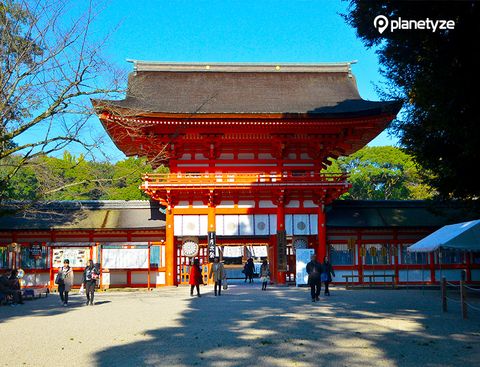
In 1601, Ieyasu Tokugawa invited monks with the intention of developing national education, and so he opened a school at Enko-ji in the Fushimi area. Regardless of whether they were monks or laymen, all could enter the school, and numerous issues of one of Japan’s early examples of a printed book, the “Fushimi-ban” were made. The wood-cut letters used in the publication still exist. After entering the Sanmon gate, the Honryuutei opens up before your eyes as a traditional dry landscape garden with its white sands billowing like a sea of clouds. Furthermore, going past the Chuumon gate, there is the Juugyuu-no-Niwa Garden, famed for its autumn leaves and moss.
A famous place with the splendid contrast between the autumn leaves and moss
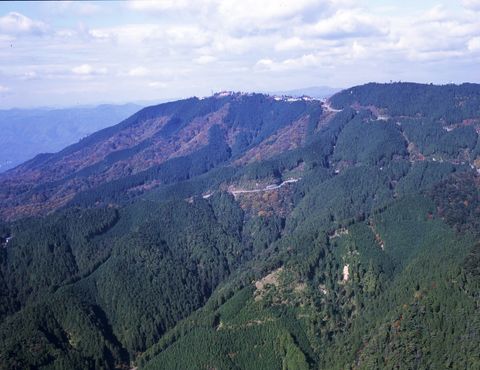
Seiryuu Pond, the oldest of its kind in the northern part of Kyoto, is located in a garden that wraps around the pond and was created based on “The Ten Ox-Herding Pictures”, images showing a ranch hand going after his oxen. The contrast of the beauty between the fall colors from 200 trees and the green color of the moss is splendid. The view of Juugyuu-no-Niwa Garden, as seen from the parlor, is framed like a painting by the pillars of the building, and it’s called a picture-frame garden because of its painting-like beauty. From the suikinkutsu, used as washbasins, the sound of water falling drop by drop is soothing to visitors. At the Honryuutei Garden with its choice of white sands billowing like a sea of clouds and arrangement of stones that depict dragons soaring through the sky, the vivid autumn leaves are put to colorfully good use. You can enjoy the blazing autumn colors below you from the top of the mountain inside the grounds, and off in the distance, there is the view of the mountains of Kitayama and Arashiyama.