The 10 most beautiful Shrines and Temples to see while you travel to Iwate
Iwate, a prefecture located in northern part of Japan. Though some parts in Iwate were seriously hit and destroyed by the tsunami in 2011, March after the major earthquake. Now, Iwate has gained popularity as it is the setting of the NHK morning drama “Amachan”.
Though it is not as famous as the bigger cities in Japan such as Tokyo and Osaka, Iwate in its place has many beautiful places for travelers to visit and enjoy nature; the beauty of the ocean, the far stretching highlands and magnificent mountains. Let us introduce you the 10 most beautiful shrines and temples that you can find in Iwate and the festivals that you can’t miss!
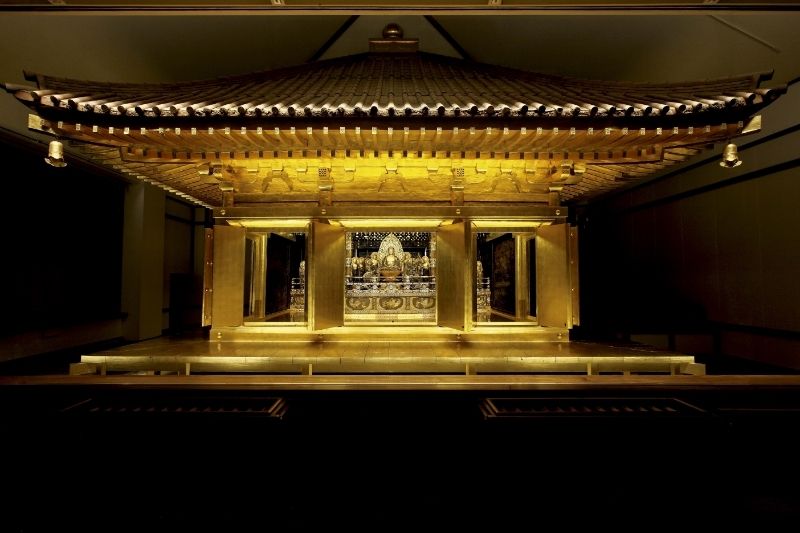
This temple of the Fujiwara clan enjoyed 100 unbroken years of prosperity before becoming caught up in war. The Golden Hall, created by Kiyohira, the founder of the Northern Fujiwara clan, is a hidden treasure that illustrates Paradise and prayers for peace.
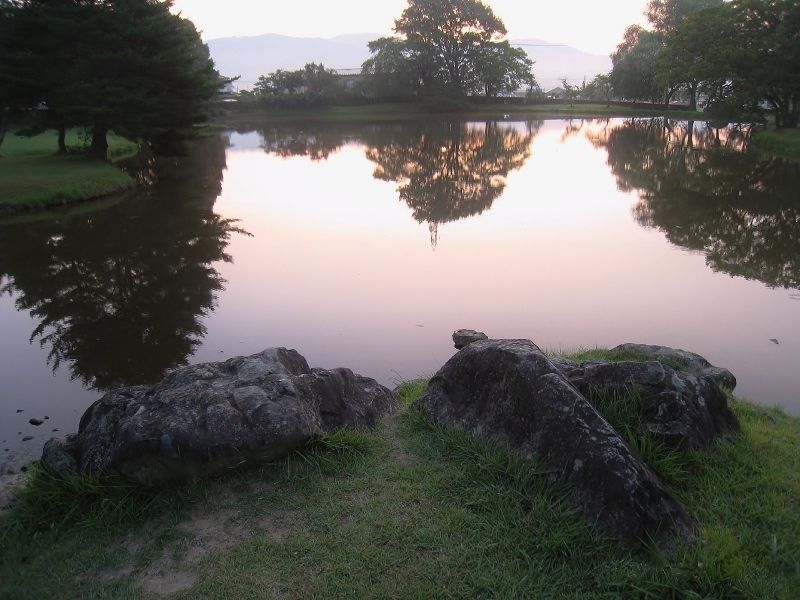
The garden culture of the powerful Northern Fujiwara clan retained through the centuries. Nature and the world of Buddhism is merged into this garden, created in the image of the Buddhism Pure Land. Walk through this tranquil garden and reminisce over the lifestyle of the elegant Heian nobility.
Bishamondo Temple is built into the precipitous rock wall with gigantic Buddhist statues carved into the slope. This serene atmosphere and 1300 years of history is like walking through a scene from an old legend.
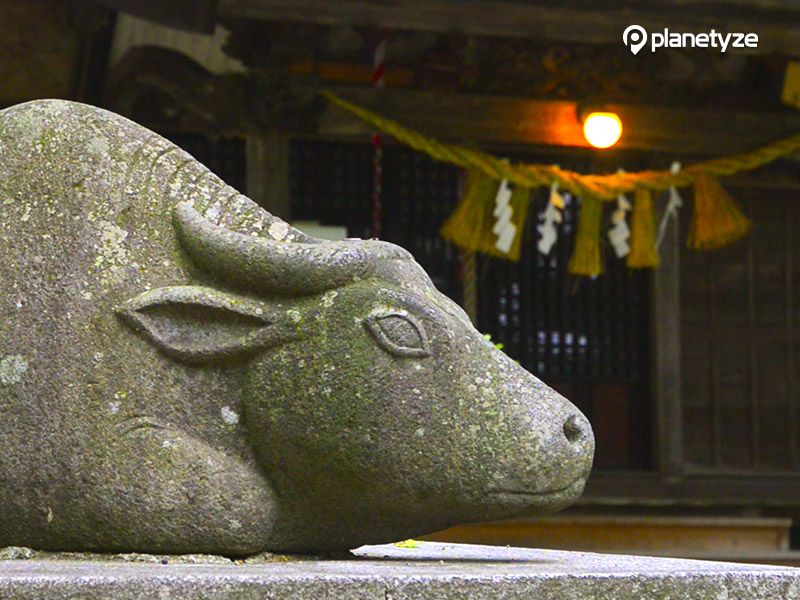
Michizane Sugawara, the God of Learning, is enshrined here, and Takuboku Ishikawa, who represents modern Japanese literature, was said to have visited the shrine several times in his youth. The shrine has a history related to literature with references having been made to it in his stories.
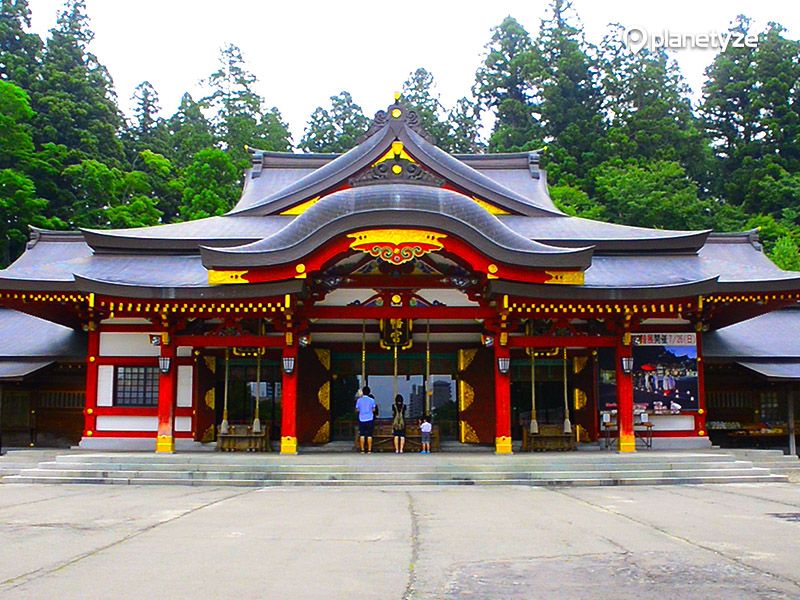
With a history of more than 300 years, the shrine has been revered by citizens for being rooted in the lives of people as the god for the roots of human life. The shaden (main shrine building) which was reconstructed in a brilliant vermilion in 1997 is a sight to behold.
A temple built by the wife of Motohira Fujiwara who focused his energies on the reconstruction of Chuson-ji Temple. Excavated in 1976, the garden has been restored to its nearly original appearance. Currently, it is open as a historical park.
The massive wooden Kannon statue was carved out of a huge 1200-year-old tree by the chief priest himself, a process that took 20 years and involved the priest taking weeklong fasts 100 times. He completed his mission through prayer for bringing back the world back from confusion and despair.
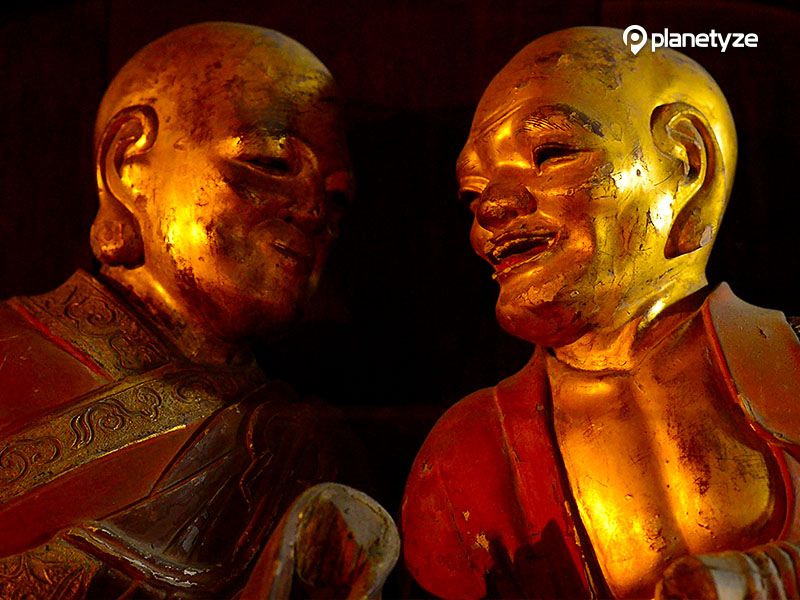
Ho’on-ji Temple is a Soto sect temple located in the quiet temple neighborhood of Kitayama in the northeast section of central Morioka. It is a famous ancient temple for Zen meditation which has enshrined 499 Buddhist statues.
Tendai-ji Temple was established in the ancient Nara Era. With its history of magnificence and tragedy, it is the oldest remaining temple in the Tohoku region. The statue of Buddha carved in the natabori method cannot be missed.
An ancient Tohoku temple that has enshrined many valuable statues of Buddha including the Sedentary Statue of Yakushi Nyorai created in the 9th century, the standing statues of Nikko and Gekko Bosatsu that were donated by Korehira Fujiwara who was the builder of Motsu-ji Temple, and the statues of the Four Guardian Kings which have been designated as National Important Cultural Properties.